From Overloaded to in Control: How Smart Charging Gave Me Back My Peace of Mind
You know that nagging worry—your phone dying mid-call, your laptop shutting down during an important task, or coming home to a house full of half-charged devices? I used to live with that stress daily. Then I discovered smart charging management, not just as a tech fix, but as a life changer. It didn’t just save energy—it reshaped how I care for myself and stay connected with the people who matter most. This is the quiet upgrade that made everything feel lighter. What started as a simple fix for dead batteries turned into something deeper: a way to slow down, breathe easier, and feel more in control of my time and energy. And honestly? I wish I’d known about it years ago.
The Chaos Before: When Charging Controlled Me
Let’s be real—life is busy. Between school runs, work deadlines, and trying to squeeze in a few quiet moments, the last thing I wanted to worry about was whether my devices were charged. But somehow, they were always running low. I’d wake up to a red battery icon, frantically plug in my phone while making coffee, only to forget it on the kitchen counter. I once missed a call from my sister while she was going through a tough time—my phone had died halfway through the afternoon, and I didn’t even notice. That moment hit me hard. It wasn’t just about the phone; it was about missing a chance to be there for someone I love.
The cords were everywhere—draped over nightstands, tangled in drawers, plugged into every available outlet. I had chargers in the car, by the bed, in my bag, and still, I was always hunting for one that worked. It felt like my devices were running the show, and I was just trying to keep up. Every low-battery warning was a tiny stress signal, a little beep reminding me I was one step behind. And over time, those little pings added up to real anxiety. I didn’t realize how much mental space I was giving to something so small—until I stopped.
It wasn’t just inconvenient; it was emotionally draining. That constant need to monitor, to remember, to react—it pulled me out of the present. I’d be in the middle of helping my daughter with homework, and suddenly I’d see that my tablet was at 12%. My focus would shift instantly. What if I needed it later? Should I stop what I’m doing and plug it in now? These tiny decisions, repeated all day, chipped away at my sense of calm. I felt like I was managing technology instead of letting it serve me. And I know I’m not alone. So many of us carry that quiet tension, thinking it’s just part of modern life. But what if it didn’t have to be?
A Friend’s Simple Suggestion That Changed Everything
It was a rainy Tuesday when I met up with Sarah for coffee. We’ve been friends for over a decade, and she’s always had this calm about her—even when life gets messy. That day, I was venting about my phone dying during an important Zoom call, and how I’d had to scramble to find a charger while my boss waited. I was frustrated, embarrassed, and exhausted by it all. Sarah listened quietly, then smiled and said, “I used to feel that way too. But I don’t fight my devices anymore.”
I looked at her, confused. “What do you mean, you don’t fight them?”
She explained that she had started using something called smart charging—a way to let her devices charge on their own schedule, without her having to think about it. She wasn’t obsessed with gadgets or tech trends. She just wanted to feel less stressed. “It’s not about having the fanciest phone,” she said. “It’s about not letting it control my peace.” That phrase stuck with me: not letting it control my peace. I realized I hadn’t even considered that my relationship with my devices could be intentional—that I could set boundaries, not just with people, but with technology too.
What surprised me most was how calm she seemed when talking about it. This wasn’t about geeking out over settings or downloading complicated apps. It was about well-being. She told me how her phone now charges only when she’s asleep, how it stops at 80% to protect the battery, and how she rarely sees a low-battery alert anymore. “It’s like my phone takes care of itself,” she said. “And in a weird way, it helps me take care of me.” That conversation shifted something in me. I didn’t need another gadget—I needed a new mindset. And that’s when I decided to give smart charging a real try.
What Smart Charging Really Means (Without the Tech Jargon)
If you’re picturing something complicated—apps with confusing dashboards, cords with blinking lights, or settings that require a degree in engineering—I get it. I thought the same way. But smart charging isn’t about being a tech expert. It’s about making your devices work with your life, not against it. Think of it like having a thoughtful assistant who knows your routine. Instead of letting your phone charge all night long (which can wear out the battery), smart charging learns when you usually wake up and finishes charging just in time. It’s like watering your plants—giving them what they need, when they need it, not flooding them every single day.
Most modern phones and tablets already have this built in—you just have to turn it on. On iPhones, it’s called Optimized Battery Charging. On Android devices, it might be Adaptive Charging or something similar. These features use your daily habits—like when you wake up, go to bed, or check your phone—to figure out the best time to finish charging. So if you usually wake up at 6:30 a.m., your phone will wait to complete the last 20% until around then. This helps the battery last longer and reduces strain from being at 100% for hours.
But it’s not just about the battery. It’s about peace of mind. When I first turned it on, I’ll admit—I checked my phone a few times to make sure it would actually be ready in the morning. But it was. Every time. And slowly, that little knot of worry in my chest started to loosen. I wasn’t waking up to a dying phone anymore, but I also wasn’t leaving it plugged in all night for no reason. It felt balanced. And that balance spilled over into other parts of my day. I started asking myself: what else could I let go of? What other little stresses could I simplify? Smart charging wasn’t just a setting—it was the beginning of a calmer relationship with technology.
How It Quietly Improved My Health and Sleep
One of the most unexpected benefits happened at bedtime. Before smart charging, I’d plug in my phone right before sleep and leave it charging all night—often with notifications still buzzing. I’d wake up to five missed calls, three emails, and a list of social media updates. It felt overwhelming before my day even began. And honestly, I was scrolling way too late, telling myself I was “just winding down,” when really, I was overstimulating my brain.
Once I set up scheduled charging, something subtle changed. Because my phone now charges during the last part of the night, I started unplugging it earlier. And without it glowing beside me, I found myself putting it in another room. I began using the “Do Not Disturb” mode with a set schedule—silencing notifications from 9 p.m. to 7 a.m. At first, I worried I’d miss something urgent. But I didn’t. And what I did gain was priceless: better sleep, more energy, and a quieter mind.
I started reading before bed again—real books, not articles on a screen. I lit a candle, sipped herbal tea, and actually relaxed. My sleep quality improved, and I noticed I wasn’t as tired during the day. I wasn’t just sleeping more—I was resting deeper. And here’s the thing: I didn’t set out to fix my sleep. That wasn’t my goal. But by changing one small tech habit, I created space for healthier routines to grow. It reminded me that small choices can lead to big shifts, especially when they support our well-being in quiet, consistent ways.
I also started paying attention to how my devices made me feel, not just how they functioned. Was I reaching for my phone out of habit? Was I using it to avoid stillness? Smart charging didn’t solve all of that, but it created a pause—a moment each night where I had to decide: do I want this device with me, or do I want rest? That tiny decision, repeated every evening, helped me reclaim a sense of control. And over time, it made me more mindful of how I use technology throughout the day.
Sharing the System: How We Stay Connected Without the Stress
One of the sweetest surprises was how this small change brought me closer to Sarah. We started talking about our routines—when we set our charging schedules, when we unplug, and how it’s helping us feel more present. We even added a little ritual: a weekly text that says, “Did your phone behave last night?” It sounds silly, but it’s become a gentle way to check in. It’s not really about the phone—it’s about saying, “I’m thinking of you. I hope you’re resting well. I care.”
We’re not just managing batteries; we’re supporting each other’s balance. Sometimes, one of us will say, “I stayed up too late scrolling—my phone’s mad at me.” And we’ll laugh, but there’s truth in it. We’ve created a shared language around digital well-being, and it’s strengthened our friendship. It’s proof that technology doesn’t have to isolate us—it can actually help us connect more meaningfully, as long as we use it with intention.
I’ve also started talking to my teenage daughter about it. She’s always had her phone charging all night, right under her pillow. I didn’t want to nag, so instead, I showed her how my phone charges only in the morning. I told her it’s like giving the battery a break—just like we need sleep, our devices do too. She rolled her eyes at first (as teenagers do), but last week, she told me she’d moved her phone to the dresser and set a bedtime charging limit. “It charges while I’m getting ready for school,” she said. “And I sleep better.” That moment made my heart swell. It wasn’t about control—it was about care. And it felt like a win on so many levels.
Setting It Up in Real Life: Simple Steps That Actually Work
If you’re curious but not sure where to start, I’ve got you. This isn’t about perfection—it’s about progress. Here’s what worked for me, step by step. First, I turned on optimized charging on my phone. On my iPhone, I went to Settings > Battery > Battery Health > Optimized Battery Charging and toggled it on. It asked if I wanted to share analytics with Apple to improve the feature—I said yes, because I figured it could help learn my routine faster. Within a few days, it started working seamlessly.
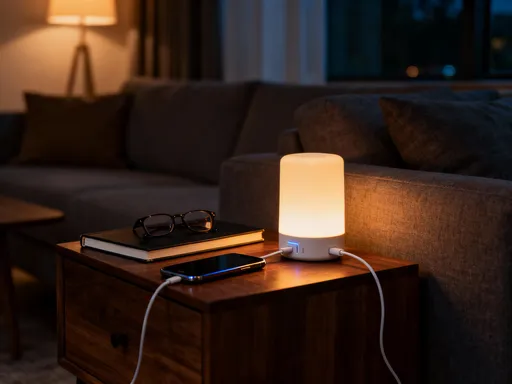
For my Android tablet, I found a similar setting under Battery > Adaptive Charging. If you’re not sure where to look, just type “adaptive charging” or “optimized charging” in your device’s settings search bar. Most newer devices have it. If yours doesn’t, no worries—there are smart plugs you can use. I got one for my nightstand that lets me set a schedule for when the outlet turns on and off. I set it to power up at 4 a.m., so my phone finishes charging by 6 a.m. It’s simple, low-cost, and works great.
Next, I set up “Do Not Disturb” during charging hours. That way, even if I leave my phone nearby, it won’t light up or buzz all night. I also turned off the charging sound—because honestly, I don’t need to hear a chime every time I plug in. Small tweaks, but they made a big difference. And here’s a tip: start with one device. Try it with your phone first. Tell yourself, “I’ll see how it feels for a week.” You don’t have to change everything at once.
And if you forget? That’s okay. This isn’t about being perfect. It’s about creating a system that works for you. One night, I forgot to plug in my phone until midnight. The next morning, it was at 70%. I survived. In fact, I used the time to read a book while waiting for it to charge. Sometimes, imperfection leads to unexpected joy. The goal isn’t control—it’s calm. And you can get there one small step at a time.
More Than Power: How Small Tech Choices Bring Big Calm
Looking back, I realize smart charging didn’t just change how my devices behave—it changed how I feel. It gave me back a sense of agency in a world that often feels overwhelming. It reminded me that I don’t have to react to every alert, charge every device to 100%, or stay plugged in every moment. I can set boundaries. I can choose rest. I can prioritize peace.
This small shift opened the door to bigger changes. I started paying attention to other areas of my life where I could simplify—how I organize my kitchen, how I plan my week, how I spend my evenings. When one part of your routine becomes more intentional, it creates ripple effects. You begin to see where you’re giving energy and where you can take it back.
And perhaps most beautifully, it deepened my connection with the people I love. Technology, when used mindfully, doesn’t have to pull us apart. It can remind us to check in, to care, to slow down. That weekly text from Sarah isn’t about tech—it’s about love. It’s a tiny digital hug that says, “I’m here. You’re not alone.”
So if you’re feeling overwhelmed by the constant buzz of modern life, I want to tell you this: you don’t have to do everything at once. You don’t need the latest gadget or a complete digital detox. Sometimes, the most powerful change starts with something small—like letting your phone charge a little smarter. Because when your devices work with you, not against you, you create space for what truly matters: rest, connection, and a life that feels a little lighter, one quiet moment at a time.