I kept saying 'I’ll start after this video'—until my learning playlist started building my future
How many times have you told yourself, “Just one more video,” only to realize hours have passed and nothing’s changed? I’ve been there—endlessly watching tutorials but never taking real action. Then I discovered how to turn passive watching into real progress. It’s not about watching more; it’s about using what you learn to build skills, confidence, and a life you’re proud of. Let me show you how small shifts in how you use video platforms can quietly transform your goals into reality.
The Trap of Endless Watching: When Learning Feels Like Doing (But Isn’t)
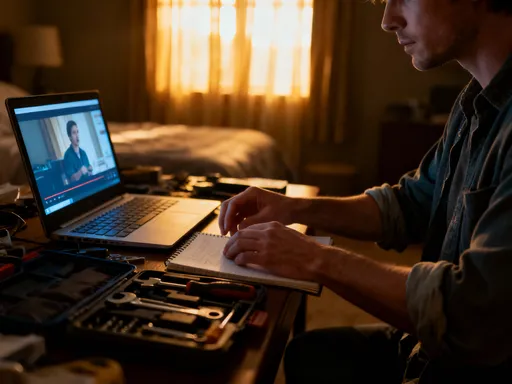
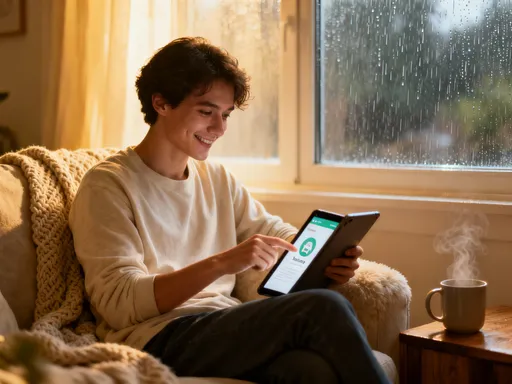
You know that feeling when you sit down after the kids are in bed, or during your lunch break, and think, “Okay, this is my time to learn something new”? Maybe you’ve been wanting to bake sourdough, fix that wobbly shelf, or finally understand how to use that camera you bought last year. So you open a video, just one, and then another—and suddenly, an hour and a half has gone by. You feel like you’ve done something productive. You even remember a few tips. But the next day? No sourdough in the oven. The shelf’s still wobbling. The camera’s still in the bag.
That’s the trap so many of us fall into: mistaking consumption for progress. Watching videos gives us a little dopamine hit—the same kind we get from inspiration, from hope. It feels like we’re moving forward because we’re gathering information. But information without action is like having a map but never leaving the house. You can study every road, every turn, and still never reach your destination.
I remember one weekend I spent hours watching videos on how to organize a pantry. I took mental notes. I loved the labels, the jars, the clean lines. I even told my sister, “I’m going to do this on Monday!” But Monday came and went. Life got busy. The videos stayed watched. The pantry stayed messy. It wasn’t until I admitted the truth—that I was using these videos as a substitute for real effort—that I realized I needed a new approach. Because the truth is, we don’t need more information. We need to start doing.
From Passive Viewer to Active Builder: The Mindset Shift That Changes Everything
The real turning point for me wasn’t finding a better tutorial or a faster method. It was changing how I thought about the whole process. I stopped asking, “What should I watch next?” and started asking, “What do I want to be able to do?” That small shift—from passive learning to active building—changed everything.
Think about it: when you watch a video with the mindset of “I’m learning,” you’re in reception mode. You’re waiting to be taught. But when you watch with the mindset of “I’m building,” you become the builder. You’re not just absorbing—you’re planning, preparing, and getting ready to act. You start looking at videos not as entertainment, but as tools. Each one becomes a stepping stone, not just a time filler.
For example, instead of watching random gardening videos, I decided I wanted to grow herbs on my kitchen windowsill. That gave me a clear goal. Now, when I searched for videos, I wasn’t just browsing—I was solving a problem. I looked for ones titled “best herbs for beginners,” “how to grow basil indoors,” or “common mistakes in kitchen gardening.” My watch time became purposeful. And more importantly, I started doing. I bought a small pot. I planted seeds. I watered them. I watched them grow. The video didn’t teach me how to garden—my hands did. The video just showed me where to start.
This mindset shift is powerful because it puts you in control. You’re no longer at the mercy of algorithms that keep feeding you “just one more” video. You’re the one setting the agenda. And that makes all the difference.
Your Playlist as a Progress Tracker: How to Turn Videos into Milestones
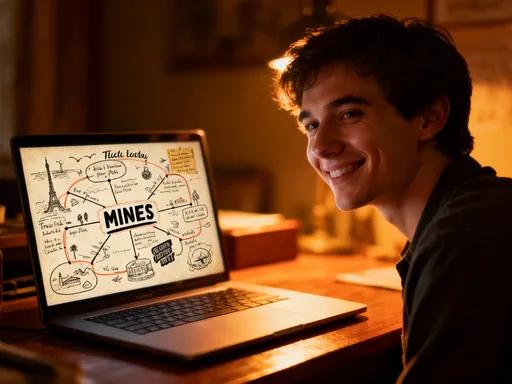
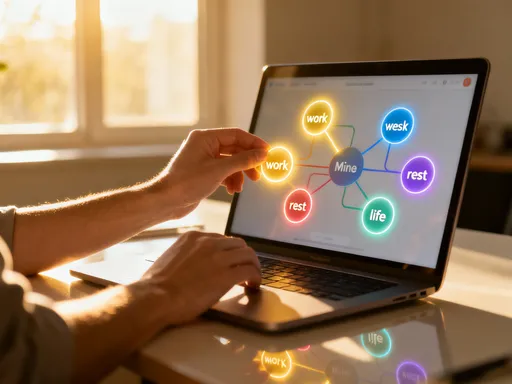
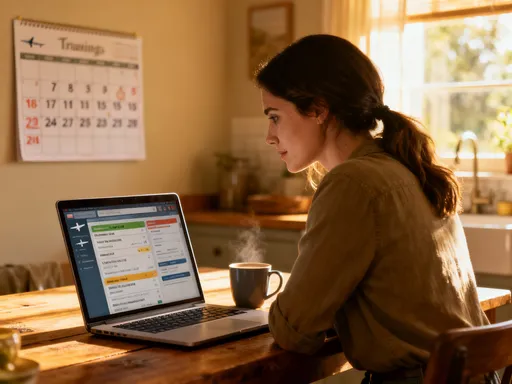
One of the best decisions I made was treating my video playlist like a progress tracker. Instead of saving random videos into a folder called “Watch Later,” I started organizing them like a roadmap. Each playlist became a project. I gave them names like “Learn Basic Spanish for Mexico Trip” or “Fix My Leaky Faucet—Step by Step.”
Here’s how it works: when you have a goal, create a new playlist. Then, search for videos that take you from zero to done. Start with “beginner basics,” then move to “common mistakes,” then “hands-on practice.” As you watch each one, label it in your mind (or in the playlist description) with what it’s helping you achieve. For example, “Video 1: Understand the parts of the faucet. Video 2: Learn how to turn off the water supply. Video 3: Watch the actual repair.”
What’s amazing is how this simple act changes your relationship with the content. You’re not just watching—you’re checking off steps. It turns learning into a quiet celebration of progress. I’ll never forget the moment I finished the last video in my “First Knitting Project” playlist and realized I’d actually made a scarf. It wasn’t perfect, but it was mine. And every stitch came from following a plan, not just random inspiration.
You can apply this to anything: learning to use a new app, understanding how to read your utility bill, even practicing a speech for your child’s school event. Your playlist becomes your personal coach, guiding you step by step. And the best part? You can come back to it. You can share it with a friend. You can feel proud of the path you built.
The 10-Minute Rule: Bridging the Gap Between Watching and Doing
If there’s one habit that made the biggest difference, it’s this: I started doing something—anything—within ten minutes of finishing a video. I call it the 10-minute rule. It doesn’t have to be perfect. It doesn’t have to be long. But it has to happen.
For example, after watching a five-minute video on how to fold fitted sheets, I got up, walked to the closet, and tried it. Did I do it right the first time? No. But I did it. After a short tutorial on using voice commands on my phone, I practiced saying, “Call Mom” and “Set a timer for 10 minutes.” Clumsy? Sure. But now I use it every day.
This rule works because it breaks the cycle of delay. Our brains love comfort, and doing nothing feels safer than trying and failing. But the 10-minute rule is so small, so low-pressure, that it sneaks past the resistance. It’s not about mastery—it’s about momentum. And momentum builds confidence.
I’ve seen this work in so many areas. A friend watched a video on basic yoga stretches and did just two moves right after. Now, she does them every morning. Another started practicing gratitude after a short talk on mindfulness—and now keeps a journal by her bed. The magic isn’t in the video. It’s in the action that follows. That’s where learning becomes real. That’s where change begins.
Building Confidence One Video at a Time: The Hidden Emotional Payoff
You might think the goal is to learn a skill. But what I’ve found is that the real reward is something deeper: confidence. Not the loud, flashy kind. The quiet kind. The kind that says, “I can figure this out.”
Every time I applied what I learned—even in a small way—I proved something to myself: I am capable. I remember the first time I fixed a loose cabinet knob using a video I’d saved. It took me two tries. I almost gave up. But I didn’t. And when that knob stayed tight, I felt a little spark. Not because I saved $20 on a handyman, but because I trusted myself to try.
That confidence started to spill over. I began volunteering for things I would’ve avoided before—helping with the school event slideshow, leading a small group at church, even speaking up in meetings. None of these came from one big moment. They came from hundreds of tiny ones: clicking play, watching, and then doing just a little.
There’s a quiet power in showing up for yourself, again and again. It rebuilds self-trust. It reminds you that you’re not stuck. You’re growing. And that feeling? It’s priceless. It’s not about being perfect. It’s about being present. It’s about knowing that you don’t have to wait until you’re “ready.” You can start right now, with what you know, and keep going.
Making It Stick: Tools and Habits That Keep You on Track Without Overwhelm
Let’s be honest: life is busy. You can’t add one more thing that feels like a chore. That’s why the systems that work are the ones that fit into your life, not fight against it.
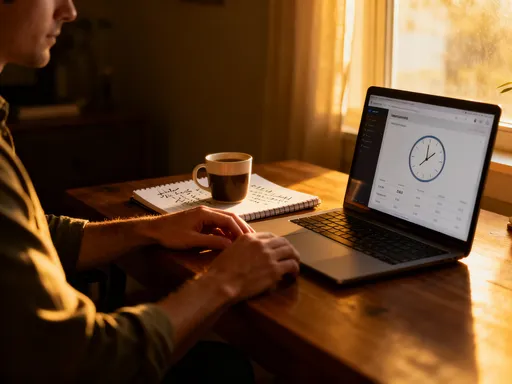
One thing I do is pair learning with a habit I already have. For example, I watch one short video after my morning coffee. No more, no less. It’s not a marathon. It’s a moment. And right after, I follow the 10-minute rule. Sometimes it’s writing down one idea, sometimes it’s trying a new setting on my phone, sometimes it’s just repeating a phrase in Spanish out loud.
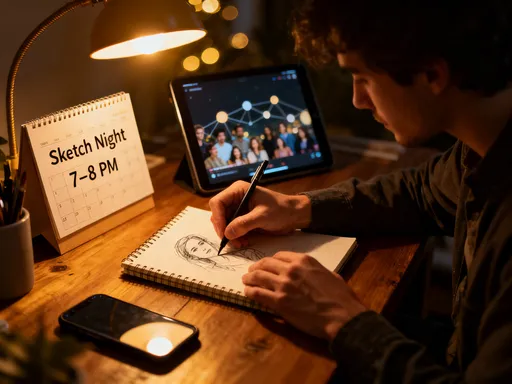
I also use simple tools to stay on track. I set a reminder on my phone once a week: “Check your learning playlist.” It takes two minutes. I look at what I’ve watched, what I’ve done, and what’s next. No pressure. Just a gentle nudge. I’ve even shared playlists with my sister—we send each other one video a week and text after to say, “Did you try it?” It’s not a competition. It’s connection.
The key is to keep it small and sustainable. You don’t need to watch every video. You don’t need to master everything. You just need to keep showing up. And when you do, the progress compounds. One day, you’ll realize you’re doing things you never thought you could—and you won’t even remember which video started it all.
Your Future Self Is Watching: How Today’s Clicks Shape Tomorrow’s Life
Here’s something I love to think about: your future self is watching you right now. Not literally, of course. But the choices you make today—the videos you save, the ones you act on, the small steps you take—are shaping the person you’ll become.
That five-minute tutorial on how to use a spreadsheet? It might lead to a better way to manage your budget. That quick video on stain removal? It might save your favorite tablecloth—and your peace of mind. That short guide on speaking clearly? It might help you share your idea in a meeting and get noticed.
None of these moments seem huge on their own. But together, they build a life of more confidence, more capability, more calm. You’re not just learning skills. You’re building a version of yourself who isn’t afraid to try, who knows how to find answers, who trusts her own hands and mind.
And the beautiful part? You don’t need permission. You don’t need a degree. You don’t need to wait. You just need a few minutes, a device, and the willingness to do one small thing after you watch. That’s where the magic happens—not in the video, but in what you do after.
So the next time you catch yourself saying, “I’ll start after this video,” pause. Ask yourself: what if I started now? What if this video wasn’t the delay—but the beginning? Because it can be. And when you make that shift, you’ll find that the life you’ve been hoping to build? It’s already in progress. One click, one action, one quiet victory at a time.