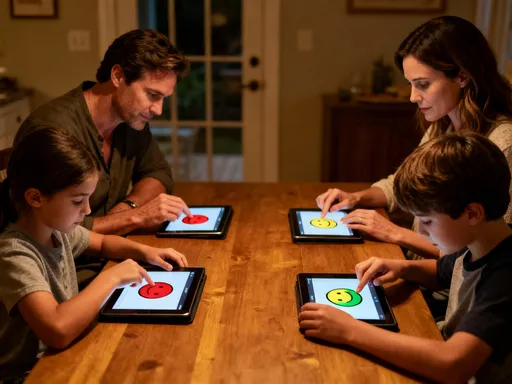
I kept saying 'I’ll learn it someday'—this app finally made it happen on a lazy Sunday
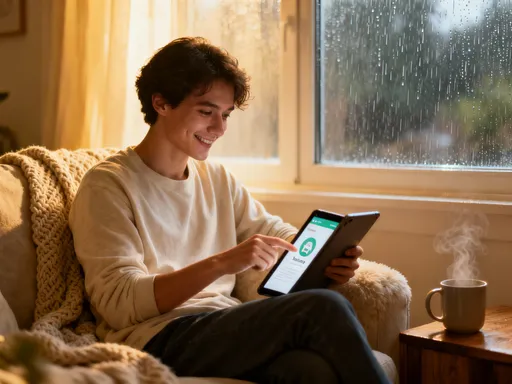
Ever found yourself promising to learn something new—cooking, coding, even guitar—only to let weekends slip away scrolling through videos? I did too. Until one rainy Sunday, instead of falling into the usual scroll hole, I opened an app that turned my idle time into real progress. No pressure, no overwhelm—just small, satisfying steps forward. That moment changed how I see weekends, learning, and even myself. It wasn’t flashy or revolutionary. It was simple, kind, and surprisingly powerful. And if you’ve ever looked up from your phone and thought, ‘Where did the day go?’—this might be the nudge you’ve been waiting for.
The Weekend Trap: When “Me Time” Becomes Time Lost
We all look forward to the weekend like it’s a rescue mission. The alarm clock is off, the work emails can wait, and for the first time in five days, you can finally breathe. You tell yourself, ‘This is my chance. I’ll start that online course. I’ll finally learn how to bake sourdough. I’ll organize the photo albums.’ But then, you sink into the couch, wrap yourself in your favorite blanket, and pick up your phone ‘just to check.’ One video leads to another, and before you know it, it’s dark outside and your to-do list hasn’t moved.
I’ve been there—so many Sundays lost to endless scrolling. I’d promise myself I’d start ‘next weekend,’ but the cycle never changed. What made it worse was the quiet guilt that followed. Not the loud, dramatic kind, but the soft, persistent voice that whispered, ‘You could’ve done something with that time.’ I wasn’t lazy. I was tired. And tired brains crave easy distractions, not effort. The irony? I wanted to grow, to feel more capable, but the very tools I used to relax were stealing the energy I needed to make that happen.
It’s not just me. So many of us fall into this trap because we think learning has to look a certain way—long sessions, serious focus, perfect conditions. We imagine sitting at a desk with coffee, fully alert, ready to conquer a new skill. But real life doesn’t work like that. Real life is messy. It’s interrupted by kids, pets, chores, and the occasional craving for snacks. And that’s okay. The problem isn’t our lack of willpower. It’s that we’ve been sold a version of learning that doesn’t fit our lives. We need something gentler, something that works with us, not against us.
A Shift in Perspective: Learning Doesn’t Need Big Commitments
The real change didn’t come from more discipline. It came from a shift in mindset. I stopped asking, ‘How can I find three hours to study?’ and started asking, ‘What can I do in ten minutes?’ That tiny question changed everything. I realized I didn’t need a grand plan. I just needed a tiny door—a small, inviting way to step into learning without feeling overwhelmed.
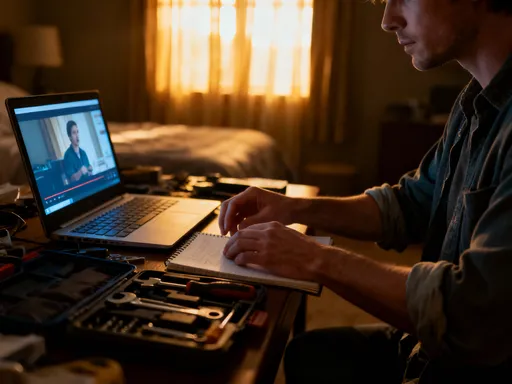
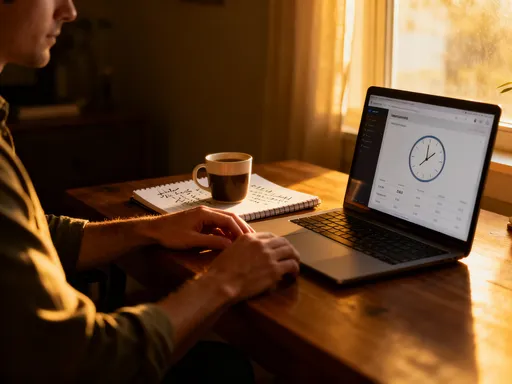
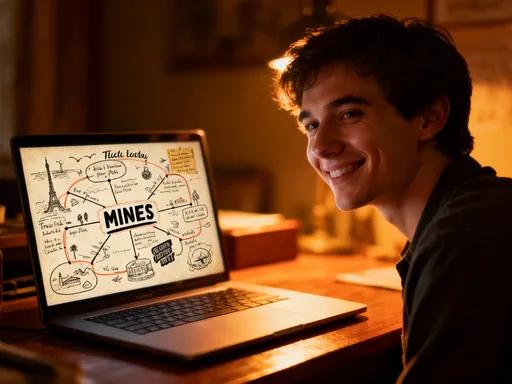
That’s when I found the app. I won’t name it here—there are a few like it—but it felt different from the start. No pressure to finish courses. No badges that made me feel guilty for skipping a day. Just a calm, welcoming interface that said, ‘Hi. Want to try something new for a few minutes?’ I clicked ‘Yes’ one Sunday morning while my tea cooled. I watched a two-minute lesson on how to play the first chord of a song I loved. Then I tried it—clumsy at first, but doable. And something surprising happened: I felt good. Not because I was suddenly a musician, but because I had done what I said I would. I had shown up.
That moment taught me that consistency beats intensity every time. You don’t need to transform your life in one weekend. You just need to show up, again and again, in small ways. The app helped me redefine success. It wasn’t about finishing a course or passing a test. It was about touching the thing you want to learn—every week, every day, even for a minute. And when you do that, something shifts. You start to believe you’re the kind of person who learns. And once you believe that, the rest follows.
Choosing the Right Tool: How Simplicity Beats Features
Not all learning apps are created equal. I’ve tried the big ones—the ones with hundreds of courses, celebrity instructors, and sleek interfaces. And you know what? I quit them all. Why? Because they felt like work. They demanded too much—long videos, complicated navigation, endless choices. I’d open them, feel paralyzed by options, and close them within minutes. It wasn’t that I didn’t want to learn. It was that the tool made it hard.
The app that finally stuck was the opposite. It had fewer courses, but they were designed for real people with real lives. Lessons were three to five minutes long. I could do one while waiting for the kettle to boil. No sign-up forms. No credit card required. Just open and go. And the best part? It worked offline. I could download a lesson and practice on the bus, in a park, or while my kids played at the playground. It wasn’t flashy, but it was functional in the way that matters most: it fit into my life.
Another thing I loved? It didn’t bombard me with notifications. No ‘You’re falling behind!’ messages. Instead, it sent a gentle nudge once a day—like a friend saying, ‘Hey, don’t forget we’re learning together.’ And if I missed a day? No guilt. No penalty. Just a quiet ‘Welcome back’ when I returned. That small kindness made all the difference. It treated me like a human, not a data point.
When you’re choosing a tool for learning, don’t fall for the one with the most features. Look for the one that respects your time, your energy, and your rhythm. The best tech doesn’t shout. It whispers. It shows up quietly, makes things easier, and gets out of the way. That’s the kind of tool that helps you grow without burning you out.
Making It Stick: Building a Habit Without Trying
Habits are funny things. You can’t force them. You can’t will them into existence. They grow slowly, like plants, when the conditions are right. What I didn’t realize at first was that the app wasn’t just teaching me skills—it was teaching me how to learn, how to return, how to keep going without pressure.
It used simple psychology in smart ways. After each lesson, I’d see a tiny animation—a flower blooming, a star appearing—nothing dramatic, but enough to make me smile. That’s called a ‘reward loop,’ and it works. Your brain likes little wins. They make you want to keep going. I started looking forward to that small moment of celebration. It wasn’t about the animation. It was about the feeling: ‘I did something. I’m moving forward.’
Another thing that helped was the progress bar. Not the kind that shames you for being behind, but one that gently shows how far you’ve come. I remember one Sunday, I looked at it and realized I’d completed 20 lessons. Twenty! Without even trying. That visual proof made me feel proud. It reminded me that small steps add up. And when you can see your progress, you’re more likely to keep going.
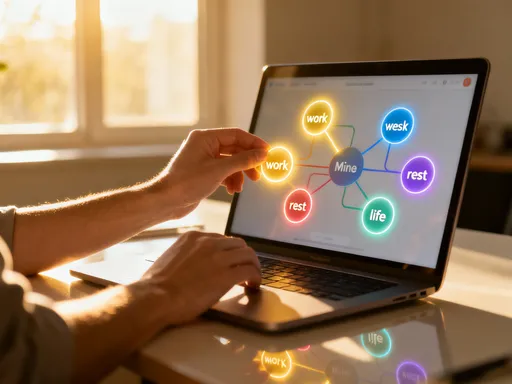
I also started linking my learning to a habit I already had. I’d do a lesson after I poured my morning coffee. Or during my evening wind-down, instead of scrolling. That’s called ‘habit stacking,’ and it’s powerful. You don’t have to find new time. You just fill existing moments with better things. And over time, it becomes automatic. You don’t think, ‘Should I learn today?’ You just do it—because it’s part of your rhythm now.
Learning with Joy: When Growth Feels Like Play
One of the biggest surprises was how much fun it became. I used to think learning had to feel serious. Like homework. Like I had to suffer to grow. But this was different. The app used playful language. Instead of saying ‘Lesson 3: Grammar Rules,’ it said ‘Let’s chat like locals!’ It felt like playing a game, not studying. And because the lessons were short and light, I never felt drained. If I didn’t like one, I skipped it. No guilt. No penalty.
I started applying what I learned right away. One weekend, I tried a simple recipe from a lesson—roasting vegetables with herbs I’d never used before. My family loved it. My daughter asked, ‘Did you learn this?’ I said yes, and she smiled. That moment meant more than any test score ever could. It wasn’t about being perfect. It was about trying, sharing, and connecting.
Another time, I learned a few phrases in Spanish. I practiced them while folding laundry. Then, when my neighbor—whose first language is Spanish—came by, I greeted her with ‘¡Buenos días! ¿Cómo estás?’ Her face lit up. We ended up chatting for ten minutes. That tiny moment of connection wouldn’t have happened without those few minutes of learning. It reminded me that growth isn’t just about skills. It’s about opening doors—some big, some small—to new experiences and people.
When learning feels like play, you don’t need motivation. You just show up because it feels good. And that’s the secret. The best way to stick with something isn’t willpower. It’s enjoyment. When you look forward to it, when it adds joy to your day, you’ll keep coming back. And that’s how real change happens—not with force, but with fun.
Sharing the Journey: Unexpected Connection with Family
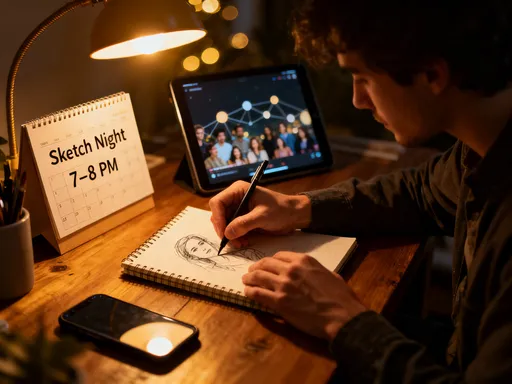
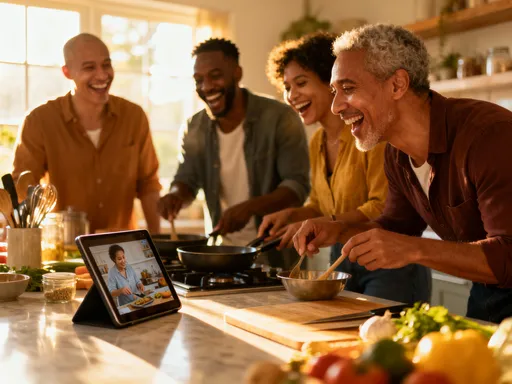
One of the most beautiful side effects was how it brought me closer to the people I love. I didn’t plan it. It just happened. My niece, who’s 12, saw me practicing a drawing lesson on my tablet. ‘Auntie, what are you doing?’ she asked. I showed her. She got curious. The next thing I know, we’re drawing together on a Sunday afternoon, laughing at our wobbly lines, sharing tips. It wasn’t just about art. It was about time. Real, connected time.
Then there was my mom. She’s always wanted to learn a little French, but she says she’s ‘too old to start.’ So I shared a simple phrase from my lesson: ‘Je t’aime.’ I taught her how to say it. She repeated it, slowly at first, then with a smile. ‘I’ve always wanted to say that to my sister in France,’ she said. We practiced together. The next day, she called her sister and said it. Her sister cried. So did I. That small moment, born from a five-minute lesson, created a memory we’ll both carry forever.
These moments weren’t about achievement. They were about presence. About showing my family that it’s never too late to learn. That growth isn’t just for kids or careers. It’s for all of us. And when they see me trying, practicing, laughing at my mistakes, it gives them permission to do the same. I’m not just learning skills. I’m modeling curiosity, courage, and joy. And that, I think, is one of the most powerful gifts I can give.
Redefining the Weekend: From Escape to Empowerment
Looking back, that rainy Sunday was a quiet turning point. I didn’t realize it at the time, but I was choosing a new way of living. Weekends used to be about escaping the week—collapsing into passive rest, trying to refill my energy tank. But now, they’re about gentle growth. About doing something small that makes me feel capable, curious, and connected.
Technology gets blamed a lot for stealing our time and attention. And yes, some apps do. But others? They can give time back. They can help us learn, create, and connect in ways that feel natural and meaningful. The key is choosing the ones that align with our values—ones that support our well-being, not drain it.
I still have lazy Sundays. I still scroll sometimes. But now, I also have moments of quiet progress. I’m learning things I never thought I would. Not because I’m super disciplined, but because it’s easy, enjoyable, and woven into my life. And the best part? I feel more like myself. More alive. More in tune with the person I want to be.
If you’ve ever said, ‘I’ll learn it someday,’ I want you to know something: someday can start now. Not with a big leap, but with a small step. Open an app. Watch a short lesson. Try one thing. Let it be tiny. Let it be kind. And let it be yours. Because you don’t need to change everything to grow. You just need to begin—on a quiet Sunday, with a cup of tea, and a heart open to what’s possible.