From Takeout Boxes to Fresh Herbs on the Table: How Our Balcony Changed Dinner Forever
Family dinners used to mean stress—rushing home, staring into an empty fridge, and defaulting to takeout… again. We missed connection, flavor, and that warm feeling of sharing something real. Then we transformed our unused balcony into a quiet, green helper. Now, with just a few taps and minutes outside, dinner starts with herbs we grew together. It’s not about high-tech gadgets—it’s about getting back what matters: time, taste, and togetherness. This isn’t a story about gardening expertise or a perfect home. It’s about how a small space, a little smart tech, and one simple idea brought us back to the table—and to each other.
The Last Straw: When Takeout Became Our Family Tradition (And We Hated It)
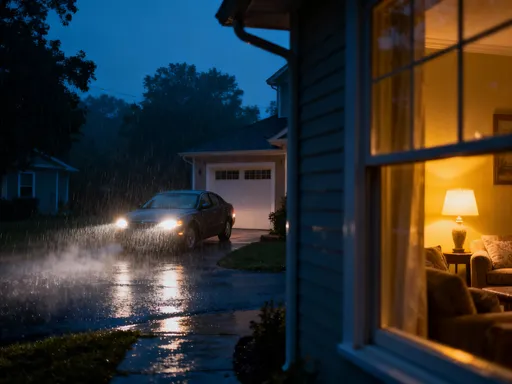
Remember that moment when you realize your life isn’t matching your values? For me, it hit on a rainy Thursday night. The kids were slumped at the table, poking at lukewarm noodles from a greasy container. My husband was still on a work call in the next room, and I was scrolling through delivery apps, not because I wanted to, but because the fridge held nothing but a half-empty jar of pickles and a sad-looking lettuce. Again. We weren’t lazy. We weren’t careless. We were just… tired. Tired of the mental load of deciding what to cook, tired of the time it took, tired of the mess afterward. And so, takeout became our default—not because we loved it, but because it was easier.
But ease came at a cost. The cost was connection. The cost was conversation. The cost was the joy of sitting down to something made with care. I started noticing how quiet the table had become. My daughter, once eager to tell me about her day, now ate with one earbud in, her eyes on her phone. My son shrugged when I asked how school was. We were sharing calories, but not our lives. And then, one night, she looked up and said, “Is takeout our real family recipe?” I didn’t have an answer. But I knew something had to change. We weren’t failing as parents—we were just caught in the modern rhythm of doing everything, and somehow, feeding our family with love had slipped through the cracks.
That moment wasn’t about food alone. It was about what food represents: care, presence, ritual. We didn’t need another meal kit with complicated instructions or exotic ingredients we’d never use again. We needed simplicity. We needed something that fit our real life, not a magazine-perfect fantasy. And that’s when I started looking outside—literally. Not for a new restaurant, but for a new starting point.
The Space We Ignored: How a Bare Balcony Became Our Secret Ingredient
Our balcony wasn’t hidden, but it might as well have been. It sat just off the kitchen, above the garage, a little rectangle of concrete that collected leaves, dust, and a few forgotten flowerpots from years ago. We used it to store holiday decorations and let the dog’s leash hang there. It wasn’t a place we thought about, much less used. But one evening, while scraping cold lo mein from a cardboard box, I looked out and wondered: what if this space could do more? What if, instead of being a storage zone, it could be part of our daily rhythm?
We didn’t have a yard. We lived in a townhome in a busy part of the city. But we had sunlight—real, honest sunlight for at least six hours a day. We had fresh air. We had six square meters of space that wasn’t doing anything but gathering dust. And suddenly, that felt like opportunity. What if dinner didn’t have to start at the grocery store? What if it could start right here, outside our back door? Not a full garden. Not a farm. Just enough to grow a few herbs, maybe some cherry tomatoes, something alive that we could touch, tend, and taste.
The shift wasn’t just physical—it was mental. It was about seeing space not as empty, but as potential. About realizing we didn’t need to wait for the perfect home or the perfect time. We had what we needed, right where we were. And that small reframe—this balcony could help feed us—was the first real step toward change. It wasn’t about grand gestures. It was about reimagining what was already there, and letting it serve us in a new way.
Tech That Doesn’t Complicate: Smart Balcony Tools That Fit Real Life
I’ll be honest—I wasn’t looking for another project. My idea of tech was checking email and maybe using a smart speaker to play music. The thought of setting up a garden with sensors, apps, and timers sounded like homework. I didn’t want to spend my weekends troubleshooting Wi-Fi signals for planters. So when I started looking into smart gardening tools, my main filter was simple: if it feels like work, it’s out.
What I found surprised me. There are now planters with built-in self-watering systems and moisture sensors that send a gentle alert to your phone when your basil is thirsty. Not a flashing red light. Not a complex dashboard. Just a soft chime and a message: “Time to check your herbs.” There are small climate monitors that track sunlight, temperature, and humidity, adjusting care suggestions based on real conditions. And the best part? These tools don’t require you to be a tech expert. They’re designed for real people—busy parents, beginners, even grandparents.
My mom, who still calls me to figure out how to mute her phone, now checks the garden status on her tablet when she visits. “Your rosemary is loving the morning sun,” she’ll say, showing me the screen with quiet pride. That’s the power of good tech—it doesn’t demand your attention; it supports your life. It removes friction instead of adding it. We started with two smart pots and a simple app. No wiring. No drilling. Just plug in, add soil, plant seeds, and let the system help us remember what to do and when. The tech didn’t replace care—it made caring easier.
And that’s the difference. This isn’t about impressing neighbors with a high-tech setup. It’s about creating a system that works for everyone in the family, even the ones who thought gardening was “boring.” When tech disappears into the background and simply helps you live better, that’s when it becomes meaningful.
From Seed to Salad: How Dinner Planning Got Easier (And More Fun)
Dinner used to start with panic. Now, it starts with a step outside. That small shift changed everything. Instead of opening a fridge full of mystery leftovers, I open the back door and see what’s ready. The kids run out after school, not to grab a snack, but to check on their plants. “The tomatoes are turning red!” my son shouts. “Can we use the mint tonight?” my daughter asks, already snipping a sprig and smelling it.
Our garden doesn’t replace the grocery store. We still buy pasta, cheese, meat, and vegetables. But now, we grow the finishing touches—the fresh basil for the pasta, the thyme for the roast chicken, the chives for the scrambled eggs. And knowing we have even a little part of the meal ready, alive, and waiting, takes so much pressure off. It’s not about being 100% self-sufficient. It’s about being 10% more connected to our food. And that 10% makes a bigger difference than you’d think.
The app we use helps us track what’s growing and when it’s ready to harvest. It sends reminders like, “Your cilantro is peaking this week—great for tacos!” or “Time to plant a new batch of parsley.” It’s not nagging. It’s guiding. And because we can see what’s coming, meal planning becomes intuitive. Instead of asking, “What should we eat?” we ask, “What’s ready to eat?” That small flip—from decision fatigue to joyful discovery—has made cooking feel lighter, more playful, more like a family activity than a chore.
Even better, the kids are involved. They don’t just eat the food—they help grow it. And that changes their relationship with what’s on their plate. My daughter, who used to refuse anything green, now proudly adds fresh dill to her fish. “I grew this,” she says. And she’s right. She did. And that sense of ownership makes her more willing to try, to taste, to care.
More Than Food: How Growing Together Brought Us Closer
The herbs are delicious. The tomatoes are sweet. But the real harvest isn’t what we eat—it’s what we gain. Time. Presence. Connection. Our balcony has become a gathering spot, not because we planned it, but because it feels good to be there. After school, before homework, after work, before dinner—we find ourselves stepping outside, not for a long session, but for a few quiet minutes. Watering the plants. Checking the growth. Laughing at the pepper that looks like a tiny dinosaur.
These moments aren’t forced family time. They’re not scheduled activities with timers and expectations. They’re organic. Natural. And that’s what makes them powerful. My teenager, who used to disappear into her room with headphones on, now texts me, “Is the oregano ready? I want to try it on pizza.” She’s not just asking about dinner—she’s inviting connection. She’s sharing in something that matters.
And that’s the quiet magic of growing food together. It gives us a shared purpose. We’re not just living under the same roof—we’re tending to something together. We celebrate the first bloom. We mourn the basil that didn’t survive a heatwave. We problem-solve when the lettuce gets too leggy. These small moments build a rhythm of care, and that rhythm spills over into how we treat each other.
I’ve noticed we talk more at the table now. Not just about logistics, but about feelings. About hopes. About the little things. Maybe it’s because we’ve already connected outside, in the soil and sunlight. Maybe it’s because we’re calmer, having stepped away from screens and schedules. Or maybe it’s simply because we’re sharing something real—something we grew, not just bought.
Small Changes, Big Ripple: What We Learned About Slow Wins
We didn’t set out to change our lives. We just wanted better dinners. But what we discovered is that small changes can create big ripples. By focusing on one thing—the way we grow a few herbs—we unlocked shifts in other areas. We waste less food because we use what we grow. We eat fresher because we pick at peak ripeness. We feel more in control because we’ve created a system that supports us.
The tech didn’t fix everything. It didn’t erase busy schedules or eliminate stress. But it made the good habits easier. It reminded us gently. It helped us succeed without effort. And that’s the secret: transformation doesn’t come from massive overhauls. It comes from one doable step that builds on itself. The first tomato we grew led to planting more. The first shared moment outside led to more conversations. The first fresh herb on the table led to more meals made with care.
We’ve also become more mindful of what we consume. Seeing how long it takes to grow a carrot makes you appreciate it more. Watching a seed become a plant makes you think twice before tossing food. And that mindfulness has spread to other areas—how we shop, how we plan, how we treat our time. We’re not perfect. We still have takeout nights. But now, they’re a choice, not a default. And that makes all the difference.
The biggest lesson? You don’t need to do everything to do something meaningful. You don’t need to be an expert. You don’t need a big space. You just need to start. And let that start grow on its own.
Your Turn: Start Where You Are, Grow What You Can
If you’re reading this and thinking, “I don’t have time,” or “I kill every plant I touch,” I get it. I thought the same. But what if you started smaller than you think? Not a garden. Not even a full balcony. Just one smart planter on your railing. One herb you love—basil, mint, thyme. One tool that makes it easy, like a self-watering pot with a simple app.
Let dinner be your reason. Pick one meal a week where you add something fresh from your little garden. Let that be your win. Celebrate it. Share it. And watch what happens. You might find, like I did, that it’s not really about the plant. It’s about the pause. The breath of fresh air. The moment you step outside and remember you’re part of something alive.
And if you have kids, invite them in. Not as a lesson, but as a shared adventure. Let them pick the first tomato. Let them smell the rosemary. Let them feel proud of what they’ve helped grow. These are the moments that stick. The ones they’ll remember. The ones that build confidence, care, and connection.
Technology, at its best, shouldn’t complicate your life. It should help you live the way you want to—slower, closer, more intentionally. Our balcony didn’t become a high-tech wonderland. It became a quiet corner where we grow food, yes, but more importantly, where we grow together. Where we show up. Where we reconnect.
So take a look at that unused space. That corner by the window. That railing with nothing on it. What could it hold? Not perfection. Not a masterpiece. Just possibility. One plant. One moment. One shared meal made better by something you grew, with help from tools that care as much as you do. Because the best technology isn’t about showing off. It’s about showing up—for your family, for your home, for the quiet, delicious moments that make life feel full.