From Screen Glow to Sweet Dreams: How E-Readers Transformed My Bedtime
You know that restless feeling—lying in bed, scrolling endlessly, eyes tired but mind still buzzing? I was stuck in that loop too, until I swapped my phone for an e-reader. No more headaches, no more endless swiping. Just calm, focused reading that actually helped me fall asleep. It wasn’t just about cutting screen time—it was about reclaiming peace. This simple switch changed not just my nights, but my mornings, my mood, even my relationship with technology. What started as a small experiment turned into a nightly ritual I truly look forward to. And honestly? It feels like one of the most loving things I’ve ever done for myself.
The Nighttime Trap: How Screens Hook Us When We’re Tired
Let’s be real—how many times have you promised yourself, “Just five more minutes,” only to look up and realize it’s been over an hour? I used to do that every single night. Tucked under the covers, phone in hand, telling myself I was winding down. But instead of relaxing, I was wide awake, heart racing after a heated news thread or laughing at a viral video. My eyes would burn, my neck would ache, and yet, I couldn’t put it down. It felt like my brain was stuck in overdrive, even when my body was exhausted.
There’s a reason this happens. When we’re tired, our willpower fades. That’s when our devices step in with their bright lights and endless content. They’re designed to keep us engaged—pulling us from one post to the next, one video to another. The glow from the screen tricks our brains into thinking it’s still daytime. And because most of us use phones or tablets in bed, we’re exposing ourselves to blue light right when our bodies should be preparing for sleep. But it’s not just the light—it’s the content. Scrolling through social media can stir up comparison, anxiety, or frustration. Watching a suspenseful show spikes our adrenaline. Even checking emails keeps our minds in “work mode.” None of that helps us drift off peacefully.
I remember one night in particular. I had a big day ahead—school drop-offs, a work meeting, grocery shopping. I knew I needed rest. But there I was, at 11:45 p.m., watching a documentary about deep-sea creatures I’d never even heard of. Not because I was fascinated—though they were strange and kind of fascinating—but because I couldn’t stop. My body was tired, but my mind was wide awake. And the worst part? I felt guilty. Like I was failing at something as basic as going to bed. That moment made me realize: this wasn’t just a habit. It was a pattern that was stealing my peace, one late night at a time.
Discovering the Quiet Alternative: My First Night with an E-Reader
The idea of using an e-reader at night came from a friend who’d recently made the switch. “It’s like reading a real book,” she said, “but I don’t have to worry about lighting or space.” I was skeptical. I loved physical books, but my nightstand was already crowded with water glasses, tissues, and half-finished journals. Still, I decided to give it a try. I ordered a basic model—nothing fancy, just something lightweight and easy to hold. When it arrived, I charged it, set up my library, and put my phone in another room.
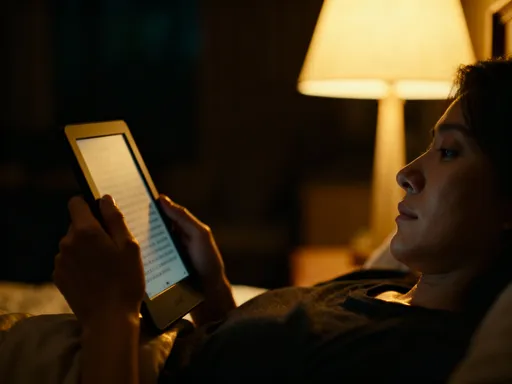
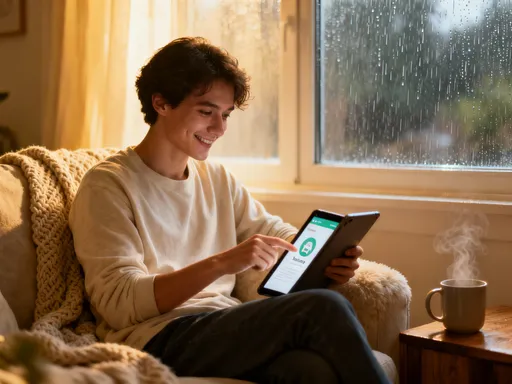
That first night felt different from the moment I turned it on. The screen didn’t light up like my phone—it was soft, gentle, like paper under a bedside lamp. I opened a novel I’d been meaning to read for months. As I turned the pages—either by tapping the screen or pressing the side button—I noticed how quiet it was. No notifications. No flashing icons. Just words. I could adjust the font size, which was a game-changer for my tired eyes. And the best part? I wasn’t tempted to check anything else. There was nothing else to check. No emails, no messages, no videos. Just the story.
About 20 minutes in, I realized something surprising: I wasn’t fighting the urge to scroll. I wasn’t thinking about what I’d missed online. My breathing had slowed. My shoulders had dropped. And when I finally closed the book and turned off the light, I fell asleep faster than I had in years. No tossing. No mental replay of the day. Just quiet. That night, I didn’t just sleep better—I felt like I’d given myself a gift. Not just rest, but real, uninterrupted calm. And I knew, right then, that this little device wasn’t just replacing my phone. It was changing the way I ended my day.
Why E-Readers Work: The Science Behind the Calm
So why does reading on an e-reader feel so much more peaceful than using a phone? It comes down to how the screen works. Most phones and tablets use LED screens that shine bright light directly into your eyes. That light is full of blue wavelengths, which are great during the day—they help keep us alert and focused. But at night, they send a strong message to your brain: “It’s still daytime. Stay awake.” This suppresses the release of melatonin, the hormone that tells your body it’s time to sleep. When melatonin is delayed, so is sleep. And even if you do fall asleep, it might not be as deep or restful.
E-readers, on the other hand, often use something called e-ink technology. You’ve probably seen it in things like digital price tags or train schedules. E-ink doesn’t glow—it reflects light, just like paper. That means it doesn’t shine into your eyes. Many models also have front lighting that’s warm and dimmable, so you can read in the dark without harsh glare. There’s no flicker, no constant refresh rate, nothing to keep your brain on high alert. It’s designed to be easy on the eyes, especially in low light.
But it’s not just about the light. It’s also about what the device does—and doesn’t do. A phone is a multitasking machine. It’s built to distract. It buzzes, pings, and flashes, pulling your attention in ten different directions. An e-reader is built for one thing: reading. It doesn’t have apps. It doesn’t connect to social media. It doesn’t even have a web browser on most models. That simplicity is powerful. When you pick it up, your brain knows what to expect. No surprises. No stress. Just a story, a little light, and you.
I remember reading an article that compared using an e-reader to lighting a candle instead of turning on a fluorescent bulb. One creates atmosphere. The other screams “work!” That stuck with me. My e-reader didn’t just help me sleep—it helped me shift my mindset. Instead of ending the day in a state of digital overload, I was ending it with focus, stillness, and intention. And that made all the difference.
Building a Ritual: How Reading at Night Became Something I Look Forward To
At first, using the e-reader felt like a chore—a “should” instead of a “want.” I told myself I was doing it for better sleep, not for fun. But within a few weeks, something shifted. I started choosing books I was genuinely excited to read. A memoir from a woman who rebuilt her life after loss. A cozy mystery set in a small coastal town. A novel about a mother and daughter reconnecting after years apart. I found myself looking forward to bedtime, not dreading it.
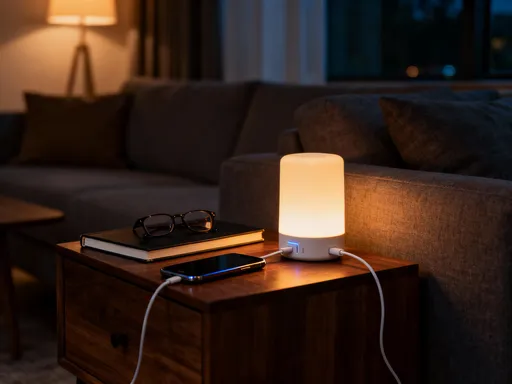
I began pairing reading with other calming habits. I’d make a cup of chamomile tea. I’d turn off the overhead light and switch on my bedside lamp. I’d fluff my pillow and tuck the blanket around me. These small acts became part of a ritual—one that told my body and mind, “It’s time to slow down.” And because I wasn’t fighting the urge to scroll, I could actually enjoy the moment. I wasn’t just killing time. I was savoring it.
One of my favorite memories was reading a passage from a novel that made me laugh out loud. My partner, half-asleep, mumbled, “What’s so funny?” I read the line to him, and we both giggled. It was a tiny moment, but it felt meaningful. We were connecting, not through screens, but through a shared story. Another time, I finished a book that had been on my list for over a year. I remember closing the e-reader and thinking, “I did it.” Not because the book was difficult, but because I had made space for it in my life. In a world that often feels too busy, that sense of accomplishment meant something.
What started as a sleep hack became a form of self-care. I wasn’t just reading to relax—I was reading to grow, to dream, to remember who I am outside of my daily responsibilities. And because I did it every night, it became a steady part of my life, like brushing my teeth or drinking water. It wasn’t a luxury. It was a necessity.
Long-Term Gains: What Changed After Months of Nightly Reading
The benefits didn’t stop at better sleep. After a few months of consistent e-reading at night, I began to notice changes in my days. I felt more focused at work. I was less reactive when things didn’t go as planned. I had more patience with my kids, my partner, even myself. I wasn’t snapping over small things. I wasn’t carrying the weight of the day into the next morning.
I also started reading more overall. Because I had a dedicated time and space for it, I stopped making excuses. “I don’t have time to read” wasn’t true anymore—I was reading every night, even if it was just ten pages. I finished books I’d started years ago. I discovered authors I loved. I even joined a small online book club with other women in their 30s and 40s. We shared thoughts, swapped recommendations, and celebrated each other’s progress. It felt like a quiet sisterhood, built on stories and shared time.
My relationship with technology changed too. I became more intentional about how I used my phone. I still used it during the day, of course—texting, checking schedules, looking up recipes. But I no longer treated it as my default companion at night. I had created a boundary. My bedroom became a screen-free zone, except for the e-reader. And that small shift made me more aware of how much I relied on my phone during the day. I started using it less. I felt more present. More grounded.
Looking back, I realize that this habit didn’t just improve my sleep. It improved my life. It gave me back time. It gave me back peace. It reminded me that I deserve moments of stillness, even in the busiest seasons. And it taught me that small choices—like what I do before bed—can have a big impact on how I feel, think, and show up in the world.
Making It Work for You: Simple Tips to Start Your Own E-Reading Habit
If you’re thinking about trying this, I want you to know—it’s easier than you think. You don’t need the latest model or a huge budget. You don’t need to read for hours. You just need to start small and be kind to yourself. Here’s what worked for me.
First, choose an e-reader that feels comfortable. There are several brands on the market, and most have basic models that are affordable and easy to use. Look for one with adjustable lighting, a lightweight design, and a long battery life. Many can hold thousands of books, so you’ll never run out of options. If you’re not ready to buy, consider borrowing one from your local library. Some libraries lend e-readers or offer free access to e-books through apps.
Next, pick a book that excites you. Don’t start with something heavy or required reading. Choose a novel you’ve been curious about, a memoir that speaks to your life, or a feel-good story that makes you smile. The goal isn’t to “get through” a book—it’s to enjoy the experience. If you don’t like the first one, try another. Reading should feel like a treat, not a task.
Set a realistic goal. Maybe it’s 15 minutes a night. Maybe it’s one chapter. The key is consistency, not quantity. Pair your reading with a calming routine—make tea, dim the lights, put on cozy socks. Let your body know this is a special time. And most importantly, leave your phone out of the bedroom. If you use it as an alarm, buy a simple clock. This one change can make a huge difference.
If you’re worried about focus, start slow. Read for five minutes. If your mind wanders, that’s okay. Just gently bring it back. Over time, your brain will learn to settle. And if you miss your phone at first, that’s normal. But give it a few nights. You might be surprised by how quickly you start to prefer the quiet.
More Than a Device: Why This Small Change Feels Like a Quiet Revolution
When I look at my e-reader now, I don’t just see a gadget. I see a symbol of care. It represents the choice to slow down, to be gentle with myself, to prioritize peace over productivity. In a world that never stops moving, it’s my little act of resistance. It says, “This time is mine. This moment is for me.”
What started as a way to sleep better became so much more. It became a daily reminder that I matter. That my well-being matters. That taking care of myself isn’t selfish—it’s necessary. And it showed me that technology doesn’t have to be draining. When used with intention, it can support us, soothe us, even inspire us.
I don’t expect this to be the answer for everyone. We all have different lives, different routines, different needs. But if you’ve ever felt trapped in that late-night scroll, if you’ve ever wished for a calmer way to end your day, I encourage you to try it. Not because it’s trendy. Not because you “should.” But because you deserve rest. You deserve quiet. You deserve to fall asleep with a story in your mind, not a screen in your face.
That shift—from screen glow to sweet dreams—wasn’t just about changing devices. It was about changing my relationship with time, with technology, with myself. And in the soft light of my e-reader, I found something I’d been missing: peace. Real, simple, beautiful peace. And honestly? That’s worth every page.