Lost in the Labyrinth of Cordoba’s Living Neighborhoods
Stepping into Cordoba’s historic districts feels like entering a storybook where every alley has a voice. I wandered through sun-drenched patios, stumbled upon hidden plazas, and sipped lemonade in courtyards bursting with jasmine. This isn’t just sightseeing—it’s living the city, one authentic moment at a time. Let me take you through the soul of Cordoba, where culture breathes in every neighborhood. Far from the curated snapshots of travel brochures, the true essence of this Andalusian gem reveals itself slowly—in the rhythm of daily life, the warmth of a shared smile, and the quiet beauty of places untouched by mass tourism. To know Cordoba is not to check off landmarks, but to lose yourself in its living streets.
The Pulse of Cordoba in Its Streets
Cordoba greets visitors with a symphony of senses. The golden light of southern Spain bathes whitewashed walls, while the scent of orange blossoms drifts through the air like a whispered secret. The soft clatter of pottery, the murmur of conversation from open doorways, and the occasional strum of a guitar weave together into a soundtrack that feels both timeless and immediate. Unlike cities where history is preserved behind glass, Cordoba’s past lives in its present. Its identity isn’t confined to museums or monuments—it pulses through the veins of its diverse neighborhoods, each with its own character, rhythm, and story.
To experience Cordoba fully is to embrace a slower, more intentional form of travel. This means stepping off the main thoroughfares, resisting the urge to rush from one attraction to the next, and allowing oneself to be drawn into the daily cadence of local life. It’s about sitting in a shaded plaza with a small cup of coffee, watching children kick a ball as elders play chess under the plane trees. It’s about pausing to admire a window box overflowing with geraniums or accepting a slice of melon offered by a shopkeeper. These are the moments that transform a visit into a memory, a checklist into a connection.
The city’s layout encourages exploration on foot. Its historic core is compact, yet labyrinthine—a network of narrow streets that twist and turn like threads in a tapestry. There are no grand boulevards here, no sweeping vistas designed for tourists. Instead, beauty reveals itself in fragments: a glimpse of a courtyard through an open gate, the echo of flamenco from a hidden patio, the sudden emergence into a sunlit square after a long, shaded alley. This is a city that rewards curiosity and patience, inviting travelers to wander without a map and discover its secrets one step at a time.
The Heartbeat of Judería: More Than Just the Mezquita
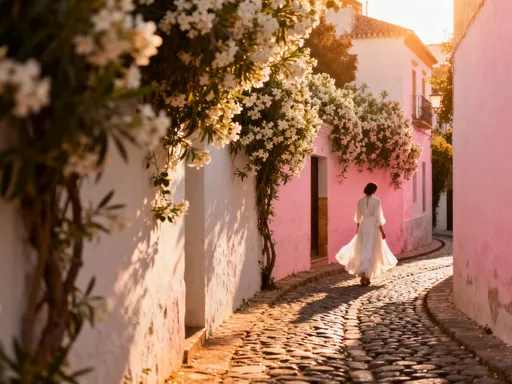
The Judería, or Jewish Quarter, stands at the heart of Cordoba’s historic identity. Once home to a thriving Jewish community, this neighborhood today is a living mosaic of cultures, shaped by centuries of coexistence between Muslims, Jews, and Christians. Its narrow, cobbled streets wind like veins through a dense urban fabric, flanked by walls painted in soft white and adorned with flower-filled balconies. Vines climb ancient stone, and the air carries the faint perfume of jasmine and frying olive oil. This is a place where history isn’t just remembered—it’s lived in.
At the center of it all looms the Mezquita-Catedral, a breathtaking architectural fusion that embodies the city’s layered past. Originally a mosque built in the 8th century, it was later transformed into a cathedral, creating a sacred space where horseshoe arches and forest-like columns stand in quiet dialogue with Renaissance chapels and Baroque altars. While the Mezquita draws millions, the true soul of the Judería lies beyond its gates—in the quieter corners where daily life unfolds.
Wander a few steps away, and you’ll find family-run tapas bars where locals gather for a mid-morning snack of salmorejo or fried anchovies. Artisan workshops line the alleys, their windows displaying hand-painted tiles, leather goods, and filigree jewelry. Plaza Maimónides, named after the great Jewish philosopher who once lived here, offers a peaceful retreat. Surrounded by orange trees and shaded by a canopy of green, it’s a place where parents push strollers, students read under umbrellas, and tourists pause to take in the calm. This plaza, like the neighborhood itself, is not staged for visitors—it simply exists, authentic and unpretentious.
What makes the Judería so compelling is its ability to balance reverence with vitality. It honors its past without being frozen in time. Children race through its alleys on bicycles, their laughter bouncing off centuries-old walls. Elderly neighbors exchange news over low garden walls. A flower vendor arranges bouquets in a doorway, adding splashes of color to the monochrome stone. To linger here is to understand that heritage is not a monument to be observed, but a rhythm to be felt.
Santa Marina & San Basilio: Where Locals Live and Laugh
Just beyond the well-trodden paths of the Judería lie Santa Marina and San Basilio—two residential neighborhoods that pulse with the unfiltered energy of everyday Cordoba. These are not postcard-perfect districts, nor are they designed for tourism. Instead, they offer something rarer: authenticity. Here, life unfolds without performance. Laundry hangs from balconies, bicycles lean against doorframes, and the scent of garlic and paprika drifts from open kitchen windows. This is Cordoba as it is lived by those who call it home.
Morning in Santa Marina begins at the local market, a modest but vibrant hub of activity. Stalls overflow with seasonal produce—plump tomatoes, deep purple eggplants, and baskets of olives cured in citrus and herbs. Fishmongers display the day’s catch, while butchers slice jamón ibérico with practiced precision. Residents move through the aisles with purpose, exchanging pleasantries and advice. A grandmother asks for the ripest figs; a young couple debates which cheese to buy for their weekend gathering. There is no rush, no pressure—just the steady rhythm of community.
In the afternoons, the neighborhood’s plazas come alive. Children play under the watchful eyes of grandparents, their shouts mingling with the clink of coffee cups and the occasional bark of a dog. Neighbors gather on benches, sipping café con leche and discussing everything from football to family news. The pace is unhurried, the mood relaxed. These are not performances for visitors—they are ordinary moments, repeated day after day, that form the fabric of local life.
To visit Santa Marina and San Basilio is to witness the beauty of the unremarkable. There are no grand monuments here, no guided tours or souvenir shops. Instead, there is warmth, openness, and a quiet pride in place. For travelers seeking connection, these neighborhoods offer a rare opportunity: to move beyond observation and into participation, even if only for a moment. A smile exchanged at the bakery, a thank you offered in halting Spanish, a shared bench in the shade—these small interactions create bridges between visitor and resident, between outsider and insider.
San Pablo: A Fusion of Past and Present
San Pablo is a district in transition, where layers of history coexist with a growing contemporary spirit. Named after the Church of San Pablo, a 14th-century Gothic-Mudejar structure with intricate stone carvings, this neighborhood has long been a center of religious and civic life. Yet today, it is also becoming a hub for creative energy, where young entrepreneurs, artists, and food lovers are reshaping its identity without erasing its roots.
At the heart of San Pablo lies the Alcázar de los Reyes Cristianos, a fortress-palace originally built by the Moors and later expanded by Christian rulers. Its gardens are a masterpiece of Islamic design—symmetrical pathways, reflecting pools, and citrus trees arranged in precise order. Fountains murmur in the shade, and peacocks strut across manicured lawns. The site is popular with tourists, yet it remains a favorite spot for locals, especially in the early mornings when the air is cool and the crowds have yet to arrive.
Just beyond the Alcázar, the neighborhood reveals its evolving character. Independent cafes have opened in restored townhouses, serving artisanal coffee and vegan pastries to a mix of students and freelancers. Concept stores showcase handmade ceramics, natural perfumes, and sustainable fashion. Weekend markets pop up in quiet squares, offering everything from vintage books to organic honey. Street art adorns blank walls, blending traditional Andalusian motifs with modern graffiti styles. This is a place where heritage is not discarded but reinterpreted, where the past provides a foundation for new expression.
San Pablo also comes alive during festivals. The Fiesta de los Patios, held each May, transforms the neighborhood into a living gallery of floral art. Homes open their courtyards to the public, revealing explosions of color—bougainvillea cascading over arches, geraniums in clay pots, and intricate tilework framing blooming jasmine. Residents take immense pride in their displays, competing for recognition while welcoming visitors with warmth and generosity. These events are not tourist spectacles—they are community celebrations, rooted in tradition yet vibrantly alive.
El Arenal: By the River, Close to the Sky
El Arenal, nestled along the eastern bank of the Guadalquivir River, offers a different kind of beauty—one defined by light, water, and quiet reflection. This neighborhood is close to many of Cordoba’s major attractions, including the Roman Bridge and the Calahorra Tower, yet it manages to retain a sense of serenity. It is a place of transitions: where the city meets the river, where day gives way to dusk, and where visitors often find moments of unexpected peace.
Sunset in El Arenal is nothing short of magical. As the sun dips below the horizon, the sky ignites in shades of amber, rose, and violet. The river catches the light, turning into a ribbon of gold. Couples stroll hand in hand along the riverbank, while photographers line up to capture the silhouette of the cathedral against the glowing sky. The Roman Bridge, with its ancient stone arches, becomes a stage for this daily spectacle, drawing quiet crowds who stand in hushed admiration.
Yet El Arenal is not just for twilight. During the day, it is a place of gentle activity. Locals walk their dogs beneath the shade of orange trees, students read on park benches, and elderly men play dominoes under a covered arcade. The neighborhood has a few small restaurants and tapas bars, many with terraces that face the water. Sitting here with a glass of cold white wine and a plate of grilled sardines is one of Cordoba’s simple pleasures.
What sets El Arenal apart is its balance of accessibility and tranquility. It is close enough to the city center to be convenient, yet far enough to feel removed from the bustle. It is popular, but not overcrowded. It offers iconic views, but also quiet corners where one can sit and breathe. For travelers seeking both beauty and calm, El Arenal is a perfect retreat—a reminder that some of the most memorable experiences are the quietest ones.
Triana: Cordoba’s Craftsmen and Keepers of Tradition
Across the river from the historic center lies Triana, a neighborhood that has long been the heart of Cordoba’s artisan traditions. Unlike the more polished districts, Triana feels grounded, unpretentious, and deeply rooted in craft. It is a place where hands still shape clay, where family workshops pass down techniques from generation to generation, and where the pride of creation is evident in every detail.
Triana is best known for its ceramics. For centuries, potters here have produced hand-painted tiles, vases, and tableware using methods that have changed little over time. The scent of wet clay and mineral pigments fills the air in the narrow alleys where studios line the streets. Inside these workshops, artisans sit at their wheels, shaping vessels with quiet focus. Others paint intricate geometric patterns and floral motifs by hand, using brushes so fine they seem made of a single hair. The colors—cobalt blue, sunflower yellow, terracotta red—are bold and joyful, reflecting the spirit of Andalusia itself.
Visiting these workshops is not just a shopping experience—it is an act of connection. Many artisans welcome visitors, happy to explain their process, share their history, and demonstrate their craft. Some offer short workshops where travelers can try their hand at the wheel or paint a small tile to take home. These interactions go beyond commerce; they are exchanges of culture, respect, and appreciation. By supporting these artisans, visitors help sustain a tradition that might otherwise fade in the face of mass production.
Triana’s community spirit shines during events like the Patio Festival, when neighbors open their homes to display not only flowers but also handmade crafts, food, and music. These gatherings are not performances for tourists—they are celebrations of identity, born from a deep love of place and heritage. To walk through Triana during such a festival is to feel the pulse of a living tradition, one that honors the past while embracing the present.
Practical Immersion: How to Travel Like a Local
Experiencing Cordoba as a resident rather than a spectator requires intention and mindfulness. It begins with slowing down. Instead of packing every hour with sightseeing, allow time for lingering—a long lunch, an unplanned detour, a conversation with a shopkeeper. This shift in pace opens the door to serendipity, the kind of moments that define meaningful travel.
Transportation plays a key role. While the historic center is best explored on foot, renting a bicycle offers a wonderful way to reach neighborhoods like Triana or San Pablo. It provides freedom, flexibility, and a sense of connection to the city’s rhythms. Public buses are reliable and affordable, and many locals use them daily. Even a simple walk from one district to another can reveal hidden courtyards, local bakeries, and street art that guidebooks often miss.
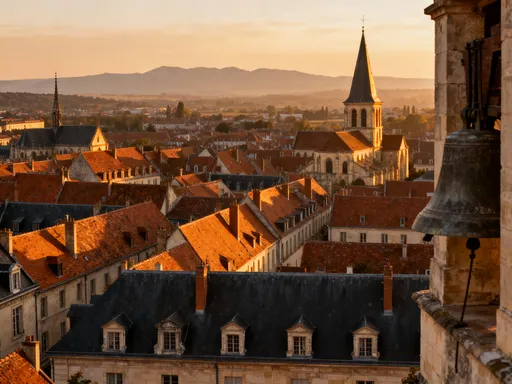
Accommodation choices matter. Staying in a family-run guesthouse or a rented apartment within a residential neighborhood—rather than a large hotel on the outskirts—deepens the sense of immersion. Waking up to the sound of church bells, buying bread from the same bakery each morning, and learning the names of neighbors all contribute to a feeling of belonging. Many of these smaller lodgings are housed in restored historic buildings, offering comfort without sacrificing character.
Engaging with locals doesn’t require fluency in Spanish, but a few basic phrases go a long way. A simple buenos días, gracias, or por favor opens doors and softens interactions. Asking for directions, complimenting someone’s garden, or sharing a smile at the market are small acts that build bridges. Respect is equally important—observing local customs, dressing modestly when visiting religious sites, and avoiding loud or disruptive behavior in residential areas.
Timing also enhances the experience. Visiting popular sites like the Mezquita early in the morning or late in the afternoon helps avoid crowds and offers better lighting for photography. Weekday mornings are ideal for exploring markets and plazas, when they are filled with residents rather than tourists. And while summer brings long, hot days, the spring and fall offer the most comfortable weather for walking and outdoor dining.
Cordoba as a Living Story
Cordoba is not a city to be conquered or consumed. It is a story to be lived, one chapter at a time. Its true magic lies not in its monuments, impressive as they are, but in its living neighborhoods—places where history is not preserved behind glass but woven into the fabric of daily life. To walk its streets is to participate in a centuries-old rhythm, to become, however briefly, part of its ongoing narrative.
The most profound moments often come unplanned. They happen when a stranger invites you into their courtyard to see their flowers, when a child offers you a piece of candy on the street, or when you find yourself laughing with a group of locals over a shared plate of olives. These are the experiences that linger long after the trip ends—the ones that change how you see not just the city, but the world.
To travel through Cordoba is to learn the value of presence. It is to resist the urge to document every moment and instead to feel it—to let the warmth of the sun, the scent of jasmine, and the sound of distant music settle into your bones. It is to understand that belonging does not require permanence; even a short visit, if done with openness and respect, can create a sense of connection.
So let go of the itinerary. Step off the main path. Let Cordoba reveal itself to you, not as a list of sights, but as a living, breathing community. Wander its alleys, smile at its people, and allow yourself to get lost. In doing so, you may just find what you didn’t know you were looking for—a deeper way to travel, and a deeper way to be.