You Won’t Believe What Puebla’s Terrain Hides—This Is Next-Level Travel
Puebla, Mexico, isn’t just about colorful colonial streets and amazing food—it’s built on a landscape that quietly shapes everything. From misty highlands to ancient volcanic slopes, the terrain here doesn’t just look dramatic; it changes how you experience the culture, climate, and even the air you breathe. I didn’t expect my trip to feel so deeply connected to the earth beneath me. This is travel that gets under your skin, where every climb, step, and viewpoint tells a story written by nature itself.
Arrival with Altitude: Stepping Into Puebla’s Elevated World
Puebla sits at an elevation of over 2,100 meters (nearly 7,000 feet) above sea level, a fact that becomes immediately apparent upon arrival. The air feels lighter, breaths come slower, and even simple movements—like walking from the terminal to the taxi stand—can leave visitors slightly winded. This is not a place to rush. The altitude sets the rhythm for the entire journey, encouraging a more deliberate pace that aligns with the city’s historic charm and cultural depth. For travelers arriving from sea level, this shift in elevation can bring mild symptoms such as headaches or fatigue, but these usually subside within a day or two with proper hydration and rest.
The high elevation also brings cooler temperatures, especially in the early mornings and evenings. While nearby tropical regions may swelter in heat, Puebla enjoys a mild, spring-like climate year-round. Average daytime temperatures hover between 18°C and 22°C (64°F to 72°F), making it an ideal destination for those seeking relief from extreme heat. The crisp mountain air carries a clarity that enhances the senses—colors appear more vivid, scents from open-air markets grow sharper, and even the taste of food seems more pronounced. This sensory sharpening is not imagined; it is a physiological response to the thinner atmosphere and increased sunlight exposure.
Altitude also plays a subtle but significant role in Puebla’s culinary traditions. Local cooks have long adapted their techniques to the lower boiling point of water at high elevations—approximately 93°C (199°F) compared to 100°C (212°F) at sea level. This affects everything from how tortillas are steamed to the slow simmering of complex sauces like mole poblano. The result is a cuisine that develops deep, layered flavors through extended cooking times. Travelers are encouraged to embrace the slower pace, allowing their bodies to adjust while savoring meals that reflect both the region’s geography and heritage.
Practical advice for managing altitude includes drinking plenty of water, avoiding alcohol during the first 24 to 48 hours, and scheduling lighter activities upon arrival. Many locals recommend sipping atole or herbal teas like manzanilla (chamomile), which are believed to support acclimatization. Wearing layers is essential, as temperatures can drop quickly after sunset. By respecting the influence of elevation, visitors position themselves to fully engage with Puebla’s offerings—not just as observers, but as participants in a landscape that demands presence and awareness.
Valleys and Volcanoes: The Geological Drama Behind the Scenery
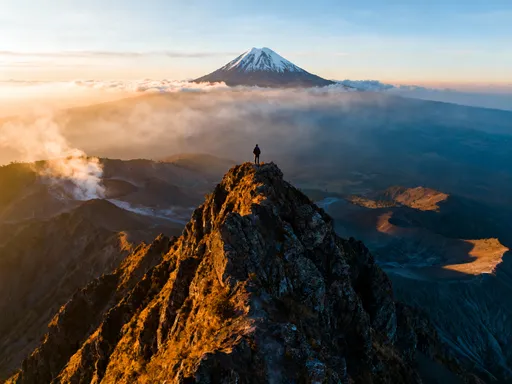
Puebla’s dramatic setting is defined by its location in the Trans-Mexican Volcanic Belt, a seismically active corridor that stretches across central Mexico. The city lies nestled between two of the country’s most iconic peaks: Popocatépetl, an active stratovolcano that regularly emits plumes of steam and ash, and Iztaccíhuatl, a dormant giant whose snow-capped ridges resemble the profile of a sleeping woman when viewed from certain angles. These mountains are not just scenic backdrops—they are living forces that shape weather patterns, soil composition, and even cultural identity. Their presence is felt in the cool alpine winds, the mineral-rich groundwater, and the ever-present awareness that nature remains in command.
Popocatépetl, often referred to as “El Popo,” stands at 5,426 meters (17,802 feet) and remains under constant monitoring due to periodic eruptions. While public access to the summit is restricted for safety reasons, the volcano’s influence extends far beyond its slopes. Its activity contributes to the fertility of the surrounding soil, enriching agricultural lands with volcanic ash that supports the growth of crops like corn, beans, and avocados. Local farmers speak of the land as a gift from the mountains, acknowledging both their bounty and their power. In some indigenous communities, spiritual practices continue to honor these peaks as sacred entities, blending pre-Hispanic beliefs with Catholic traditions in a unique expression of reverence for the natural world.
Iztaccíhuatl, standing at 5,230 meters (17,160 feet), offers more accessible opportunities for outdoor exploration. Hiking trails wind through pine and oyamel fir forests, leading to glacial remnants and high-altitude lakes. While summiting requires technical preparation, shorter treks provide breathtaking views and a sense of immersion in pristine ecosystems. The mountain’s name derives from Nahuatl, meaning “White Woman,” and its legends speak of love, betrayal, and eternal rest—stories passed down through generations that deepen the emotional connection between people and place.
Weather patterns in Puebla are heavily influenced by these towering neighbors. Morning skies often begin clear, with sunlight glinting off snowfields, but by midday, clouds gather in the valleys, sometimes rolling down the slopes in thick waves. Sudden fog or light rain is common, especially during the rainy season from June to September. Travelers are advised to carry waterproof gear and check official alerts before venturing into highland areas. Despite the unpredictability, there is a profound beauty in witnessing nature’s rhythms unfold—the way dawn paints the volcanoes in golden hues, or how evening shadows stretch across the valley like fingers of dusk. These moments remind visitors that they are moving through a landscape shaped by time, fire, and faith.
Cobbled Streets and Hidden Slopes: Urban Terrain That Makes You Move Differently
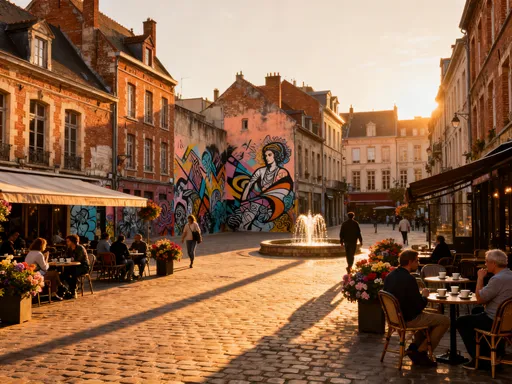
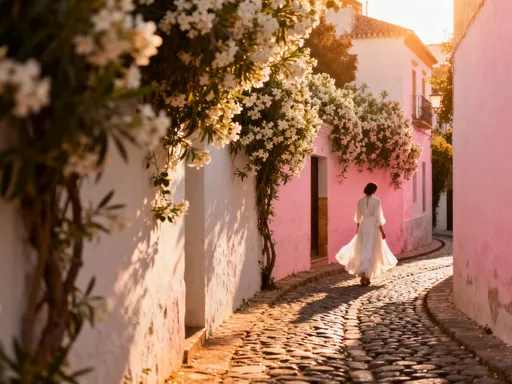
Walking through Puebla’s historic center is an experience that engages the entire body. The city’s UNESCO World Heritage-listed streets are paved with smooth, time-worn cobblestones that ripple like frozen waves underfoot. What appears to be a flat route on a map often reveals subtle inclines, sudden drops, or stair-stepped alleys upon closer inspection. This is not a city built on a grid imposed upon flat land; it is one that grew organically across a gently undulating terrain, where Spanish colonial planners adapted to existing indigenous settlements and natural contours. As a result, every block tells a story of negotiation between human design and geological reality.
Exploring the Centro Histórico becomes a form of gentle physical engagement. The slight resistance of climbing a soft hill to reach the Cathedral, or descending into a lower plaza where the sound of fountains echoes off stone walls, creates a kinesthetic memory that lingers long after the visit. These elevation changes are rarely dramatic, but they are constant—enough to make comfortable footwear a necessity rather than a suggestion. Locals move with a practiced ease, their steps calibrated to the rhythm of the land, while visitors often find themselves pausing to catch their breath or adjust their balance.
Architecture in Puebla reflects this adaptation to terrain. Churches and civic buildings are often elevated on platforms or built into hillsides, their foundations anchored to bedrock. Some plazas sit at different levels, connected by short flights of stairs or arched passageways. The Church of Santo Domingo, home to the famous Rosary Chapel, rises from a slightly raised platform, its ornate façade drawing the eye upward in a movement that mirrors the physical ascent required to reach it. Even the placement of benches and fountains considers slope and drainage, revealing a deep understanding of how water and gravity shape urban life.
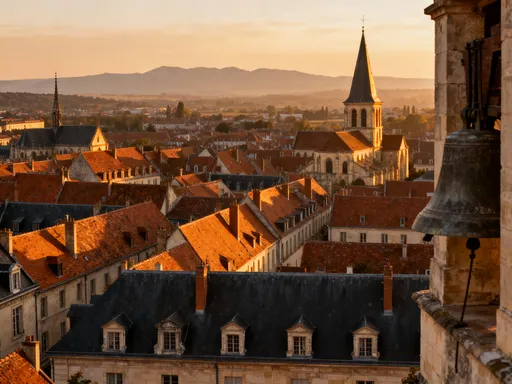
These micro-elevations also create unexpected viewpoints. A turn down a narrow callejón might lead to a balcony overlooking the city, where the rooftops fan out like tiles on a mosaic. From such vantage points, the relationship between built environment and natural topography becomes clear—the way streets follow ancient watercourses, or how neighborhoods cluster in sheltered pockets below ridgelines. For travelers, these discoveries offer more than scenic rewards; they provide a sense of intimacy with the city, as if uncovering secrets hidden in plain sight. By slowing down and paying attention to the ground beneath their feet, visitors begin to move not just through Puebla, but with it.
Beyond the City: Venturing Into Puebla’s Rugged Backcountry
Just a two- to three-hour drive from Puebla’s urban core, the landscape transforms into a mosaic of pine forests, deep ravines, and terraced mountain villages. This is the Sierra Norte, a region of striking natural beauty and cultural resilience. Communities such as Cuetzalan, Huehuetlán el Grande, and Zacapoaxtla are nestled along winding roads that cling to steep slopes, accessible only by vehicles built for rough terrain. Here, elevation gains are measured in thousands of feet, and every mile traveled reveals new layers of vegetation—from cloud-kissed highland forests to subtropical zones where coffee and vanilla thrive.
Cuetzalan, perched at around 900 meters (3,000 feet) but surrounded by much higher peaks, is perhaps the most visited of these highland towns. Known for its indigenous Nahuatl and Totonac heritage, the village maintains traditions that have endured for centuries. Women weave intricate textiles on backstrap looms, while men cultivate coffee on shaded slopes using sustainable methods passed down through generations. The town’s central plaza features a 16th-century convent and a towering ahuehuete tree, its roots gripping the earth like ancient hands. Waterfalls like Tamul and Tetzuntlán draw hikers and nature lovers, though trails can be slippery after rain and require sturdy footwear and caution.
Transportation in the Sierra Norte remains a challenge, even for experienced travelers. Roads are often narrow, unpaved, or damaged by seasonal rains. Public buses run on fixed schedules but may be delayed due to weather or mechanical issues. Renting a vehicle with four-wheel drive is recommended for those planning extended exploration, though local guides can provide invaluable assistance in navigating remote areas safely. Despite these obstacles, the rewards are profound: encounters with artisans who open their homes to visitors, meals made with ingredients harvested that morning, and the quiet dignity of communities that live in harmony with a demanding but generous landscape.
Ecotourism initiatives have begun to support sustainable development in the region, offering homestays, birdwatching tours, and reforestation projects that benefit both residents and visitors. These programs emphasize respect for local customs and environmental stewardship, ensuring that tourism enhances rather than disrupts. For travelers willing to venture beyond the well-trodden path, the Sierra Norte offers a deeper understanding of Puebla—not as a single destination, but as a tapestry of interconnected places shaped by elevation, isolation, and enduring cultural strength.
How Terrain Shapes Taste: The Altitude-Flavor Connection
In Puebla, flavor is not just a product of recipe or technique—it is rooted in the land itself. The region’s high elevation, mineral-rich springs, and cool climate create ideal conditions for ingredients that define its world-renowned cuisine. Mole poblano, the complex sauce made with over 20 ingredients including chocolate, chiles, and spices, owes part of its depth to the slow cooking process necessitated by high-altitude physics. Because water boils at a lower temperature, liquids evaporate more slowly, allowing flavors to meld gradually without scorching. This extended simmering develops a richness that cannot be replicated at lower elevations.
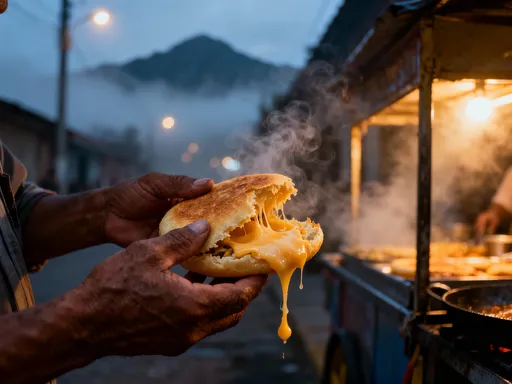
Dairy production also benefits from the environment. Local farms in the surrounding valleys produce fresh cheeses such as queso blanco and queso Oaxaca, which are softer and more delicate than their lowland counterparts. The cool air slows bacterial growth, preserving freshness, while the diet of grazing animals—fed on grasses nourished by volcanic soil—impacts the creaminess and tang of the milk. Artisanal cheesemakers often use traditional methods, heating milk over wood fires and shaping curds by hand, resulting in products that carry the terroir of the highlands.
Bread and baked goods reflect the terrain as well. The city’s pan dulce, including conchas and empanadas, rises differently in thin air, requiring bakers to adjust yeast quantities and baking times. The result is a slightly denser crumb with a crisp crust—perfect for soaking up warm atole or spicy stew. Even beverages like agua de chía or café de olla are influenced by altitude; chia seeds absorb liquid more slowly, creating a thicker consistency, while cinnamon-infused coffee simmers longer to extract full flavor.
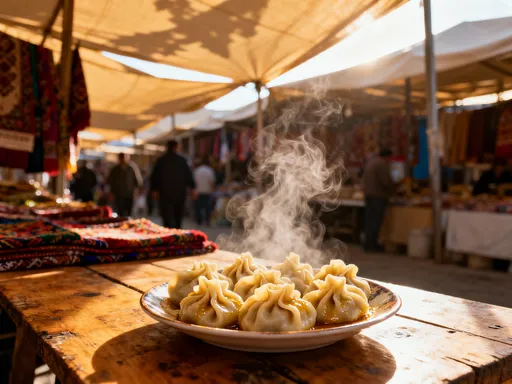
Visitors can explore this connection firsthand by touring local markets such as Mercado de Sabores Poblanos or visiting family-run farms in the outskirts. These experiences go beyond tasting—they offer insight into how geography shapes daily life. Cooking classes often begin with a walk through gardens where herbs and chiles grow in mineral-rich soil, followed by lessons in grinding spices on volcanic stone molcajetes. In Puebla, eating is not separate from the land; it is an extension of it, a way of tasting the very essence of the terrain.
Weather Whiplash: Preparing for Puebla’s Microclimates
One of the most surprising aspects of traveling in Puebla is the rapid shift in weather conditions, even within a single day. Due to the region’s varied topography—ranging from high plateaus to deep canyons—microclimates are common. A sunny morning in the city center can give way to a misty afternoon in the nearby hills, and temperatures can drop 10°C (18°F) or more when ascending just a few hundred meters. This phenomenon, known locally as “changeable skies,” requires travelers to be prepared for multiple conditions at once.
The key to comfort lies in layering. Mornings often begin cool, especially at higher elevations, so a light jacket or sweater is advisable. As the sun climbs, temperatures rise, but shade in narrow streets or forested areas can feel significantly cooler. By late afternoon, clouds may roll in, bringing drizzle or fog, particularly during the rainy season. A compact, waterproof raincoat or travel umbrella is a wise addition to any daypack. Footwear should be water-resistant, as cobblestones and dirt paths can become slick after even a brief shower.
Seasonal patterns also influence travel plans. The dry season, from November to April, offers the most stable weather, with clear skies and minimal precipitation—ideal for sightseeing and outdoor activities. The rainy season, from June to September, brings afternoon thunderstorms that can affect road conditions in rural areas. While these rains enhance the lushness of the landscape and support agriculture, they can delay transportation and limit access to remote trails. Travelers should monitor local forecasts and allow flexibility in their itineraries.
Understanding sky changes is part of the local wisdom. Farmers and elders often read cloud formations and wind direction to predict weather shifts, a skill born of necessity. Visitors can learn to do the same—watching for cumulus clouds building in the afternoon as a sign of approaching rain, or feeling the drop in air pressure before a storm. Rather than resisting these fluctuations, embracing them becomes part of the journey, a reminder that Puebla’s beauty lies not in perfect conditions, but in its dynamic, ever-changing relationship with nature.
Why This Landscape Stays With You: The Emotional Weight of Place
Few cities imprint themselves on memory as deeply as Puebla, and much of that lasting impression comes from the physical experience of moving through its terrain. Unlike flat urban centers where navigation feels mechanical, Puebla demands engagement—each step uphill, each pause to catch breath, each panoramic view earned through effort—creates a bodily connection to place. This is not passive tourism; it is embodied travel, where the landscape becomes a companion rather than a backdrop.
Climbing to the Capilla del Rosario after a gentle ascent through cobbled alleys, one feels a quiet pride—not from conquest, but from participation. Standing at a hillside viewpoint in Cuetzalan as mist curls around ancient trees, the silence is broken only by distant church bells and the rustle of leaves. These moments bypass the intellect and settle into the soul, forming memories that are felt as much as recalled. The wind from the high plains carries a crispness that clears the mind; the scent of wet earth after rain evokes a sense of renewal; the sound of thunder echoing down volcanic slopes reminds us of nature’s enduring presence.
For many visitors, especially women between the ages of 30 and 55 who travel for both relaxation and meaningful connection, Puebla offers a rare balance. It is a place where beauty and depth coexist, where culture and nature are inseparable, and where the pace allows for reflection. The terrain, with all its gentle challenges, becomes a metaphor for personal journey—each rise a small triumph, each descent a moment of release. There is comfort in knowing that the land does not rush, and neither should you.
By the end of a stay in Puebla, travelers often report a shift in perspective. They speak of feeling more grounded, more present, more attuned to subtle rhythms. This is the emotional weight of place—a quiet but powerful transformation that occurs when one allows the landscape to speak. It is not loud or dramatic, but steady and true, like the slow shaping of stone by water and time. To visit Puebla is to walk with intention, to breathe deeply, and to let the earth beneath your feet remind you of what it means to be alive.