You Won’t Believe These Hidden Natural Gems in Montevideo
When you think of Montevideo, Uruguay, bustling markets and colonial architecture might come to mind—but what about its wild side? I was blown away by how much untouched nature hides within this vibrant city. From coastal trails with ocean views to serene wetlands teeming with birds, Montevideo’s green spaces are a cultural treasure in themselves. This is not just about escaping the urban grind—it’s about discovering how locals live in harmony with nature. The city’s commitment to preserving natural landscapes while fostering community life reveals a quiet wisdom. Here, nature isn’t tucked away in distant parks; it’s woven into the rhythm of daily life, accessible to all, and cherished across generations. What unfolds is a capital that doesn’t conquer nature but coexists with it.
Urban Meets Wild: Montevideo’s Unique Cultural Landscape
Montevideo defies the conventional image of a capital city dominated by concrete and congestion. Instead, it presents a rare balance where urban development and natural beauty exist in seamless harmony. This integration is not accidental—it reflects deeply held cultural values centered on leisure, well-being, and environmental respect. Unlike other major cities where green spaces are isolated oases, Montevideo’s parks, beaches, and ecological corridors are embedded into the city’s fabric, shaping how residents live, move, and connect. The result is a metropolis that breathes, where fresh air, open skies, and natural vistas are part of everyday experience rather than occasional luxuries.
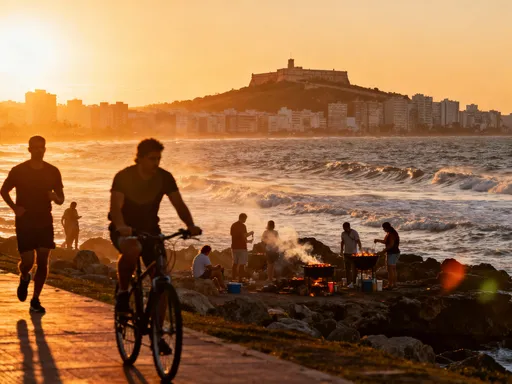
At the heart of this balance is the Rambla, a seaside promenade that stretches over 22 kilometers along the coastline. This ribbon of walkways, cycle paths, and public seating serves as both a recreational artery and a symbol of civic identity. Morning joggers pass retired couples strolling hand in hand; children fly kites on the breeze while fishermen cast lines from rocky outcrops. The Rambla is more than infrastructure—it’s a stage for community life, a place where social classes, ages, and backgrounds converge in shared appreciation of the waterfront. Its uninterrupted span connects neighborhoods, making nature accessible regardless of where one lives in the city.
This intentional blending of city and nature reflects Uruguayan ideals of *vida sana*—a healthy, balanced life. Public policy has long supported the preservation of green zones, with strict regulations on coastal development and ongoing investment in public access. The government, in partnership with local organizations, maintains clean beaches, safe walking paths, and educational signage about native flora and fauna. These efforts ensure that Montevideo’s natural offerings remain inclusive and sustainable. For visitors, this means an authentic urban experience where culture and environment are not in conflict but in conversation.
What makes this model especially meaningful for families and women travelers is its emphasis on safety, accessibility, and tranquility. Wide, well-lit pathways, frequent rest areas, and visible community presence make these spaces welcoming at all hours. There is a sense of collective ownership—locals take pride in keeping these areas clean and peaceful. This cultural norm creates an environment where mothers feel comfortable bringing children, older adults enjoy unhurried walks, and solo travelers experience genuine connection without discomfort. In a world where urban spaces often feel impersonal or exclusionary, Montevideo offers a refreshing alternative.
Punta Carretas and the Coastal Pulse
One of the most dynamic examples of this urban-nature synergy is Punta Carretas, a neighborhood where the energy of the city meets the rhythm of the sea. Once a quiet residential area, it has evolved into a lively coastal hub without losing its natural charm. The rocky shoreline here is a mosaic of tidal pools, wind-sculpted formations, and native coastal vegetation. These features attract not only tourists but also locals who come to explore, fish, or simply sit and watch the waves. Unlike manicured beach resorts, Punta Carretas retains a raw, unpolished beauty that feels honest and grounding.
The walking paths along this stretch offer some of the most scenic views in the city. From elevated vantage points, visitors can see the curve of the bay, the distant silhouette of Buenos Aires on clear days, and sailboats drifting near the horizon. These trails are well-maintained and safe, with handrails where needed and clear signage in Spanish and English. Families often bring picnic baskets, spreading blankets on the grassy slopes above the shore. Joggers and dog walkers frequent the area in the early morning and late afternoon, taking advantage of the cooler temperatures and softer light. The atmosphere is relaxed but vibrant—a place where activity and stillness coexist.
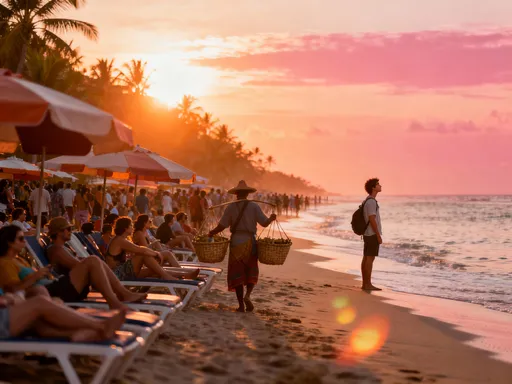
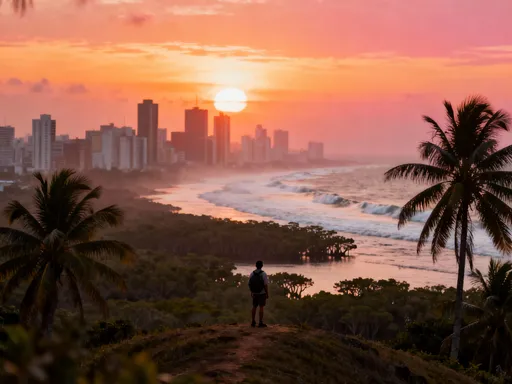
Sunset at Punta Carretas is a ritual. As the sky turns golden and pink, small groups gather with portable grills for *asados*, the traditional Uruguayan barbecue. The smell of sizzling meat mingles with the salty sea air, creating an inviting sensory experience. These gatherings are informal and inclusive—neighbors greet each other by name, children play nearby, and strangers exchange smiles. There is no pressure to participate, yet the warmth of the scene draws people in. It’s a testament to how public spaces can foster belonging without requiring formal interaction.
Accessibility is another strength of this area. Well-connected by public bus routes and within walking distance of shopping districts, Punta Carretas is easy to reach without a car. Parking is available but limited, encouraging sustainable transportation. The local government has invested in clean restrooms, trash receptacles, and emergency call boxes, ensuring comfort and safety. For women traveling alone or with children, these amenities provide peace of mind. Best times to visit include weekday mornings for solitude or weekends at dusk to experience the communal spirit. Regardless of when you come, Punta Carretas offers a genuine slice of Montevidean life—one rooted in nature, tradition, and togetherness.
The Magic of Parque Rodó: More Than Just a Park
Nestled along the Rambla, Parque Rodó stands as one of Montevideo’s most beloved green spaces—a place where recreation, culture, and daily life intersect. While it includes a small amusement park with rides that delight children, its true magic lies in the quieter moments: an elderly man absorbed in a chess game beneath a eucalyptus tree, a group of teenagers sketching in art class near the lagoon, or a street musician filling the air with gentle melodies. This park is not a tourist attraction in the conventional sense; it is a living room for the city, open to all and animated by the rhythms of ordinary life.
What sets Parque Rodó apart is its intergenerational energy. Grandparents push strollers while teenagers skateboard nearby; students from the nearby University of the Republic spread out books under the shade, and families share snacks on picnic blankets. The park’s layout encourages mingling—wide paths connect playgrounds, fountains, and open lawns, allowing visibility and ease of movement. Benches are plentiful, often occupied by people reading, chatting, or simply observing the scene. This sense of shared ownership fosters a gentle, inclusive atmosphere where everyone feels they belong.
Cultural activities are woven into the park’s identity. On weekends, local artists set up easels to paint en plein air, while dance troupes practice choreography on paved plazas. Children’s theater performances and poetry readings are common, often organized by community groups or municipal programs. These events are free and informal, reflecting a cultural philosophy that art and nature should be accessible, not exclusive. For visitors, especially women interested in authentic local experiences, Parque Rodó offers a window into the soul of Montevideo—one that values creativity, connection, and calm.
The park’s proximity to educational and cultural institutions enhances its role as a civic hub. The National Museum of Visual Arts sits at its edge, housing works by Uruguayan masters, while the Central Library provides resources for students and researchers. These institutions do not stand apart from the park but engage with it—exhibits sometimes spill outdoors, and library events are held under the trees. This integration reinforces the idea that learning, culture, and nature are not separate domains but interconnected threads in the city’s fabric. For families, this creates a rich environment where children can play, parents can relax, and curiosity is nurtured.
Discovering the Santa Lucía River Corridor
Just a short distance from Montevideo’s urban core lies a quieter, ecologically rich landscape—the Santa Lucía River corridor. This freshwater system is vital to the region, supplying drinking water to much of the metropolitan area. Yet beyond its practical importance, it offers a sanctuary of natural beauty and biodiversity. Along its banks, trails wind through reed beds, grasslands, and gallery forests, providing habitat for over 150 bird species, including herons, kingfishers, and migratory waterfowl. For those seeking tranquility and immersion in nature, this area is a hidden gem.
Birdwatching is one of the most rewarding activities here. Early morning visits reveal the river at its most alive—mist rising from the water, dragonflies skimming the surface, and the calls of hidden birds echoing through the rushes. Binoculars and a field guide enhance the experience, though even casual observers will be struck by the variety of life. Designated observation points and wooden platforms allow safe, non-intrusive viewing, protecting both wildlife and visitors. Local guides offer quiet tours, sharing knowledge about native species and conservation efforts. These guides often emphasize the importance of preserving wetlands, not just for animals but for water quality and climate resilience.
The walking and cycling trails along the river are well-marked and maintained, suitable for all fitness levels. Some paths follow old rural roads, now repurposed for eco-tourism, while others are newly built with permeable surfaces to minimize environmental impact. Shaded rest areas with benches and informational panels provide opportunities to pause and reflect. The air here is noticeably fresher, carrying the scent of damp earth and wildflowers. For women seeking a peaceful retreat or a mindful escape from city noise, the Santa Lucía corridor offers a restorative experience grounded in nature’s quiet strength.
Conservation is a shared priority. The Uruguayan government, in collaboration with environmental NGOs, has implemented measures to protect the river from pollution and overuse. Reforestation projects have restored native vegetation, and monitoring programs track water quality and species health. Local communities participate through volunteer cleanups and educational workshops, fostering a culture of stewardship. Travelers are encouraged to follow Leave No Trace principles—staying on paths, avoiding littering, and respecting wildlife. By visiting responsibly, tourists contribute to the preservation of this vital ecosystem while gaining a deeper appreciation for Uruguay’s commitment to sustainability.
Cerro de Montevideo: History and Nature on One Hill
Rising 139 meters above sea level, Cerro de Montevideo is both a geographical landmark and a cultural symbol. Long before the city expanded around it, this hill served as a strategic lookout for indigenous peoples and later Spanish colonists. Today, it is crowned by the Fortaleza del Cerro, a historic fortress built in the early 19th century to defend the port. While its military role has faded, the site remains a place of reflection, offering panoramic views of the city, the bay, and the distant coastline of Argentina. The ascent itself is part of the experience—a winding path lined with eucalyptus and pine trees, their scent mingling with the ocean breeze.
Reaching the summit feels like stepping into another world. The fortress, now a museum, houses artifacts from Uruguay’s colonial and independence eras, including cannons, uniforms, and navigational instruments. Interpretive signs in Spanish and English provide historical context, making the site accessible to international visitors. Guided tours, often led by local historians, bring the past to life with stories of battles, daily life, and national identity. For families, this is an engaging way to introduce children to history without the formality of a classroom. The blend of nature and heritage creates a layered experience—one that educates as much as it inspires.
The views from the top are breathtaking. On clear days, the entire arc of Montevideo’s coastline unfolds below, with the Rambla tracing the city’s edge like a silver thread. Ships move slowly in the harbor, and kites dance in the wind over distant beaches. The contrast between the city’s ordered layout and the wild beauty of the surrounding landscape is striking. This vantage point offers not just visual reward but emotional perspective—a reminder of how small we are in the face of history and nature. Many visitors sit in silence, absorbing the moment, while others take photographs to carry the memory home.
The hill is also a place of recreation. Locals hike the trails regularly, some making the climb as part of their fitness routine. On weekends, families picnic near the base, and school groups gather for outdoor lessons. The site is well-maintained, with paved paths, railings, and rest areas. Safety is a priority, with park rangers on duty and emergency access available. For women travelers, the presence of other visitors and clear signage creates a secure environment. Whether drawn by history, nature, or the simple joy of a good view, Cerro de Montevideo offers a profound connection to the city’s roots and rhythms.
Local Life Along the Rambla: A Day in the Rhythm
To truly understand Montevideo, spend a full day along the Rambla. Begin at sunrise, when the promenade is quiet and the air is cool. Couples practice tai chi near the water’s edge; runners move steadily along the bike lane; fishermen check their lines with patient focus. The light spreads slowly across the bay, turning the waves from gray to gold. This is a time for stillness, for breathing deeply and feeling the city wake up. Vendors begin setting up—ice cream carts, coffee stands, and bike rental kiosks—announcing the start of another day in rhythm with nature.
By mid-morning, the Rambla comes alive. Cyclists glide past in steady streams, families push strollers, and dog walkers navigate the social dance of pet introductions. Children chase bubbles blown by street performers, while artists sketch portraits for small fees. The sounds are a gentle symphony: rolling waves, distant laughter, the chime of bicycle bells. This is not a place of loud attractions or commercial overload; it is a space designed for human-scale interaction. Infrastructure supports this—wide walkways, shaded seating, and consistent lighting ensure comfort and accessibility for all.
Lunchtime brings another shift. Groups gather for picnics with empanadas, fruit, and mate, the traditional herbal tea shared from a gourd. The ritual of passing the mate cup from person to person symbolizes trust and friendship. Older women sit together, knitting or gossiping, while teenagers lounge on the grass, listening to music. The Rambla functions as a social spine, connecting neighborhoods that might otherwise feel isolated. It is democratic in the best sense—no admission fee, no dress code, no barriers to entry. Everyone is welcome, and everyone contributes to the atmosphere.
As evening falls, the mood turns reflective. Couples stroll hand in hand; solo walkers pause to watch the sunset; musicians play soft tunes near the benches. The city lights begin to twinkle, mirroring the stars above. This daily cycle—awakening, activity, winding down—mirrors the natural world’s own rhythms. For visitors, especially women seeking meaningful travel experiences, the Rambla offers more than scenery. It offers a model of urban life that values balance, community, and connection to the earth. It shows that a city can be vibrant without being chaotic, modern without losing its soul.
Why These Spaces Matter: Culture Rooted in Nature
The natural spaces of Montevideo are not mere decorations—they are foundational to the city’s identity. They reflect a cultural philosophy that values harmony, well-being, and intergenerational connection. Unlike cities where nature is an afterthought, Montevideo has made it a priority, embedding parks, trails, and waterfronts into the daily lives of its residents. These spaces are not reserved for special occasions; they are used every day by people of all ages and backgrounds. This consistent engagement fosters a deep, lived relationship with the environment—one that goes beyond tourism or recreation.
This approach also supports public health and social cohesion. Regular access to green and blue spaces has been linked to lower stress levels, improved mental health, and stronger community bonds. In Montevideo, these benefits are visible in the relaxed pace of life, the prevalence of outdoor activity, and the visible trust among strangers. Women, in particular, benefit from safe, well-lit, and socially active environments where they can move freely and independently. The city’s investment in inclusive design—benches, restrooms, bike lanes—ensures that these advantages are shared by all, not just the privileged few.
Montevideo’s model offers lessons for urban planning worldwide. In an era of climate change and social fragmentation, the city demonstrates how nature can be a unifying force. Its conservation efforts, community programs, and thoughtful infrastructure show that sustainability and quality of life are not competing goals but complementary ones. Travelers who come to Montevideo for the sights often leave with something deeper—a sense of how life can be lived with more balance, more beauty, and more meaning.
So come to Montevideo not just to see a new place, but to feel a different way of living. Walk the Rambla at dawn, climb Cerro de Montevideo at sunset, sit quietly by the Santa Lucía River. Let the city’s natural rhythm seep into your bones. Discover how culture and nature, when woven together with care, create a life that is not just sustainable—but soulful.