This Is Why Kraków’s Festival Culture Will Blow Your Mind
You know that feeling when a city surprises you in the best way possible? That’s Kraków. I went for the castles and cafés, but stayed for the festivals—vibrant, soulful, and absolutely Instagram-worthy. From medieval parades to open-air concerts in ancient squares, the city pulses with cultural energy. This isn’t just tourism; it’s immersion. And every corner feels like a photo waiting to happen. Whether it’s the flicker of candlelight on All Saints’ Day or the joyful chaos of dumplings flying at the Pierogi Festival, Kraków doesn’t just celebrate its heritage—it breathes it. These traditions aren’t staged for visitors; they’re lived, loved, and passed down through generations. What makes the city unforgettable isn’t just its history, but how it brings that history to life, season after season, with sincerity and spectacle in equal measure.
The Heartbeat of Kraków: Where Tradition Meets Celebration
Kraków’s festival calendar is not a manufactured itinerary for tourists—it’s a living reflection of centuries-old rhythms, shaped by Poland’s religious roots, agricultural cycles, and communal spirit. The city’s deep historical identity, evident in its UNESCO-listed Old Town and centuries-old churches, forms the foundation for celebrations that feel deeply authentic. Unlike destinations where cultural performances are reduced to photo ops, Kraków’s festivals emerge organically from local life. Residents don traditional costumes not for show, but as acts of remembrance and pride. Whether it’s the ringing of church bells on Easter morning or the gathering of families for harvest festivals, the city’s pulse quickens in time with its calendar of events.
During peak festival seasons, the atmosphere in the Old Town becomes electric. Streets that normally host quiet café-goers and history tours transform into open-air stages. Locals spill out of homes and workplaces to join processions, sing folk songs, and share food with neighbors and strangers alike. The Main Market Square, one of Europe’s largest medieval town squares, often becomes the epicenter of celebration. Here, the past and present coexist—stone buildings that have stood for 700 years frame modern sound systems and artisan markets. Yet, there’s no sense of dissonance. Instead, there’s harmony, as if the city itself remembers every note played and every dance performed within its walls.
What sets Kraków apart is the level of community engagement. These festivals are not managed solely by city officials or tourism boards—they are co-created by neighborhood groups, cultural associations, and families who have participated for decades. Children learn traditional songs in school and perform them alongside elders during holiday events. Artisans sell handcrafted wreaths, embroidered textiles, and wooden carvings not as souvenirs, but as cultural artifacts. This continuity ensures that the soul of each celebration remains intact. Visitors are not just observers; they’re welcomed into the fold, invited to light candles, taste homemade dishes, or even join a folk dance in the square. The result is a travel experience that transcends sightseeing and becomes a shared moment of human connection.
Wianki: Midsummer Magic on the Vistula River
One of Kraków’s most enchanting festivals is Wianki, a centuries-old celebration marking the summer solstice. Rooted in Slavic pagan traditions, Wianki—meaning “wreaths”—honors the arrival of summer with a poetic blend of nature, music, and light. The heart of the festival unfolds along the banks of the Vistula River, where thousands gather as dusk falls to release floral wreaths into the water. Each wreath, traditionally made of wildflowers and greenery, carries personal wishes—love, health, prosperity—set afloat on the gentle current, creating a shimmering, moving constellation of hope.
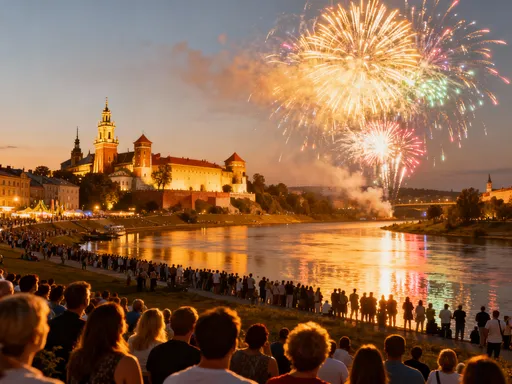
The modern Wianki festival has evolved into a city-wide cultural event, but it retains its intimate, mystical essence. The silhouette of Wawel Castle, perched on a hill overlooking the river, provides a dramatic backdrop as stages come alive with live music. Performances range from traditional folk ensembles to contemporary Polish pop and rock acts, drawing audiences of all ages. The air fills with song, laughter, and the scent of blooming linden trees. As night deepens, the sky above the river erupts in a symphony of light—fireworks reflect in the water, lanterns float alongside the wreaths, and illuminated drones sometimes form celestial patterns, blending ancient ritual with modern spectacle.
For visitors, Wianki offers unparalleled photo opportunities. The best vantage points include the Grunwaldzki Bridge and the riverside promenade near the National Museum. Arriving early ensures a good spot and time to explore the pop-up food stalls offering cold mead, grilled kiełbasa, and fresh strawberries. Families spread blankets on the grass, children twirl sparklers, and couples whisper secrets under the stars. To navigate the crowds comfortably, it’s advisable to arrive by mid-afternoon and use public trams, which run frequently and drop passengers within a short walk of the festivities. While the festival is undeniably popular, its atmosphere remains warm and inclusive, a testament to Kraków’s ability to scale celebration without losing its soul.
Jewish Culture Festival: A Powerful Revival
In the heart of Kraków lies Kazimierz, the historic Jewish quarter, once a thriving center of Jewish life and now the vibrant stage for the world-renowned Jewish Culture Festival. Established in 1988, this annual event is more than a cultural showcase—it’s an act of remembrance, resilience, and renewal. For over a week each summer, Kazimierz transforms into a living museum of Jewish heritage, drawing tens of thousands of visitors from across the globe. Synagogues, courtyards, and former marketplaces become venues for music, film, lectures, and art exhibitions, all dedicated to preserving and celebrating a legacy nearly erased by history.
The soul of the festival is klezmer music—haunting, joyful, and deeply expressive. The sound of violins, accordions, and clarinets echoes through narrow cobblestone streets, evoking both sorrow and celebration. Concerts take place in restored synagogues like the Old Synagogue and the Remuh Synagogue, where the acoustics amplify every note with reverence. But the festival is not confined to solemn reflection. In outdoor squares, dancers teach traditional steps, children paint Yiddish letters, and food vendors serve cholent, bagels with schmear, and honey cake. The atmosphere is one of reconnection—between past and present, between communities, and between strangers who find common ground in shared culture.
What makes the Jewish Culture Festival so powerful is its authenticity. It was born not from tourism strategy, but from a grassroots desire to reclaim and revitalize a cultural identity. Local historians, musicians, and educators lead workshops on Yiddish language, Jewish customs, and Holocaust memory. Survivors and descendants share stories, ensuring that personal histories are not lost. The festival has also inspired the restoration of historic buildings and the opening of Jewish-themed cafes and bookshops, making Kazimierz a year-round destination for cultural exploration. For visitors, attending the festival is not just educational—it’s emotional. It’s a reminder that culture, even when nearly extinguished, can be reborn with dignity and beauty.
All Saints’ Day: Beauty in Solemn Tradition
While most festivals in Kraków are marked by music and movement, All Saints’ Day offers a quieter, yet profoundly moving experience. Observed on November 1, this national holiday honors the deceased with a tradition that is both deeply personal and collectively breathtaking. As evening falls, cemeteries across the city light up with thousands of flickering candles. The largest and most iconic of these is Rakowicki Cemetery, where rows upon rows of graves are illuminated in a sea of golden light. The effect is not somber, but serene—a visual poem about memory, love, and continuity.
Families arrive with candles, flowers, and photographs, tending to the graves of loved ones with care and devotion. It’s common to see grandparents explaining family history to grandchildren, or friends gathering to remember those they’ve lost. The air carries the scent of beeswax and damp earth, and the only sounds are murmured prayers, rustling leaves, and distant church bells. Unlike Halloween, which emphasizes fright and fantasy, All Saints’ Day in Kraków is rooted in reverence and reflection. It’s a moment when the city collectively pauses to acknowledge the presence of the past in everyday life.
For visitors, witnessing this tradition is a privilege, but it requires sensitivity. Photography is common, but it should be done discreetly and respectfully. Flash should be avoided, and close-ups of mourners are inappropriate. The best approach is to walk quietly, observe with humility, and perhaps light a candle in silent tribute. Many hotels and tour operators offer guided evening walks to Rakowicki, providing context without intrusion. Though not a festival in the conventional sense, All Saints’ Day holds immense cultural significance. It reminds us that beauty can reside in stillness, and that honoring the dead is one of the most human acts of all.
Pierogi Festival: Taste as Celebration
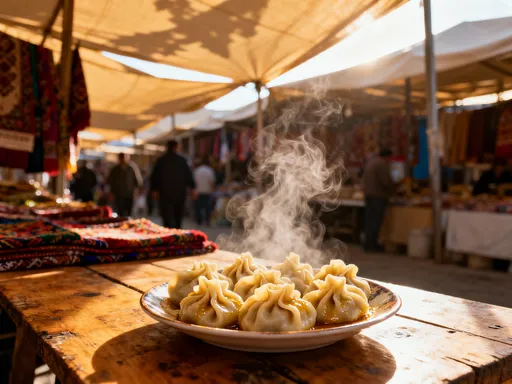
Not all of Kraków’s festivals are steeped in solemn tradition—some are delightfully playful, and none more so than the Pierogi Festival held annually in Błonia Park. This open-air celebration turns Poland’s most beloved dumpling into a symbol of joy, creativity, and community. For two days each summer, the vast green meadow becomes a culinary playground, where dozens of vendors serve pierogi in every imaginable variation—filled with potato and cheese, sauerkraut and mushroom, blueberries, or even sweet cheese with rosehip jam. The aroma of frying onions and butter fills the air, drawing hungry crowds from across the city and beyond.
The festival is as much about entertainment as it is about food. Live folk bands perform on a central stage, their music inviting spontaneous dancing. Cooking demonstrations teach visitors how to fold the perfect dumpling, while children participate in craft workshops and face painting. There are even pierogi-themed games, including a playful “pierogi toss” and a “biggest eater” contest (though most attendees prefer to savor rather than race). The atmosphere is cheerful and inclusive, a perfect example of how food can bring people together across generations and cultures.
For the best experience, arriving early is recommended—lines grow quickly at popular stalls, especially those known for unique flavor combinations. A must-try is the “pierogi ruskie,” a classic filled with potato, twaróg (farmer’s cheese), and fried onions, often hailed as Poland’s national dish. For something sweet, the strawberry-filled version, served warm with a dusting of powdered sugar, is a summer favorite. Vegetarian and gluten-free options are increasingly available, reflecting modern dietary needs without compromising tradition. Whether you’re sampling your first pieróg or your fiftieth, the festival offers a joyful reminder that celebration can be as simple as sharing a good meal under an open sky.
Navigating Festivals Like a Local: Practical Tips
To fully embrace Kraków’s festival culture, a bit of planning goes a long way. Accommodations in the city center fill up quickly during major events, so booking several months in advance is wise. Staying in the Old Town or Kazimierz offers the greatest convenience, placing you within walking distance of most festivities. Public transportation in Kraków is efficient and affordable, with trams and buses connecting key areas. During large festivals, special routes or extended hours are often added, making it easy to avoid traffic and parking hassles.
Comfortable footwear is essential. Kraków’s historic streets are paved with uneven cobblestones, and days of walking between events can be taxing. Layers are recommended, as temperatures can shift dramatically between day and night, especially during spring and autumn festivals. A small backpack with a reusable water bottle, snacks, and a portable phone charger ensures you stay energized and connected. Speaking of connectivity, downloading local apps like Jakdojade (for real-time transit) or Eventful Kraków (for festival schedules) can help you navigate the city like a resident.
Respectful participation enhances the experience. While photography is encouraged, always ask permission before taking pictures of people, especially during religious or solemn events. Learning a few basic Polish phrases—such as “dziękuję” (thank you) or “proszę” (please)—goes a long way in building goodwill. Tipping at cafes and restaurants is customary (10–15%), and cash is still preferred at many small vendors, though contactless payments are becoming more common. Most importantly, approach each festival with an open heart. Let yourself be surprised by a folk song, intrigued by a ritual, or delighted by a flavor you’ve never tried. The goal isn’t to check off attractions, but to become part of the moment.
Why Festival Culture Defines Kraków’s Soul
Kraków’s festivals are more than events—they are the city’s heartbeat, its way of telling its story. To visit during these times is to witness culture not as a static exhibit, but as a living, breathing force. Whether it’s the solemn glow of All Saints’ Day, the musical revival of the Jewish Culture Festival, or the joyful indulgence of the Pierogi Festival, each celebration offers a different window into the city’s identity. They reveal a place that honors its past without being bound by it, that embraces visitors without diluting its authenticity, and that finds joy in both remembrance and renewal.
For the traveler, especially one seeking meaningful, enriching experiences, these festivals provide a rare depth of connection. They transform a trip from a series of sights into a sequence of shared human moments. You’re not just seeing Kraków—you’re feeling it. And in that feeling, you begin to understand why this city, century after century, continues to draw people not just to its streets, but into its story. The festivals are an invitation—to listen, to taste, to remember, and to celebrate. So when you plan your next journey, don’t just look at maps and museums. Look at the calendar. Let Kraków’s festival culture be your guide. Because in this city, the best way to know a place is to live its moments as they happen, one celebration at a time.