You Won’t Believe These Hidden Theme Zones in San Francisco
San Francisco is more than just the Golden Gate Bridge and sourdough bread. Tucked within its fog-kissed streets are unexpected theme areas—pockets of culture, art, and history that feel like stepping into another world. I explored these niche corners not listed in typical guides, where every alley tells a story. From retro-futuristic plazas to vibrant cultural enclaves, these spots redefine what a city visit can be. If you’re craving authenticity over crowds, you gotta check this out.
Introduction to San Francisco’s Niche Theme Areas
When most travelers think of San Francisco, they picture cable cars climbing steep hills, sea lions barking at Pier 39, or the iconic red span of the Golden Gate Bridge. While these landmarks are undeniably worth seeing, the city’s true magic often lies beyond the postcard views. Hidden in plain sight are distinct neighborhoods that function like themed zones—each with its own atmosphere, history, and cultural heartbeat. These are not manufactured attractions, but organically evolved districts where identity is expressed through architecture, cuisine, art, and daily life.
Exploring these theme areas transforms a visit from a checklist of sights into a layered, sensory-rich experience. They invite travelers to slow down, observe, and engage with the city as locals do. Whether it’s the scent of roasting duck in Chinatown, the vibrant murals of the Mission, or the flower-lined pathways of the Presidio, each zone offers a unique narrative. Moving beyond mainstream tourism allows for deeper connection and more meaningful memories, especially for those who value authenticity and cultural immersion.
For women in their 30s to 50s—many of whom travel not just to see places, but to feel them—these theme zones offer a refreshing alternative to crowded tourist hubs. They provide space for quiet reflection, spontaneous discovery, and real human interaction. The city becomes not just a destination, but a living storybook, with each chapter waiting to be read at a leisurely pace. In a world where travel often feels rushed and curated, San Francisco’s hidden neighborhoods remind us that the best experiences are often unplanned and deeply personal.
The Heart of Chinatown: More Than Just Lanterns
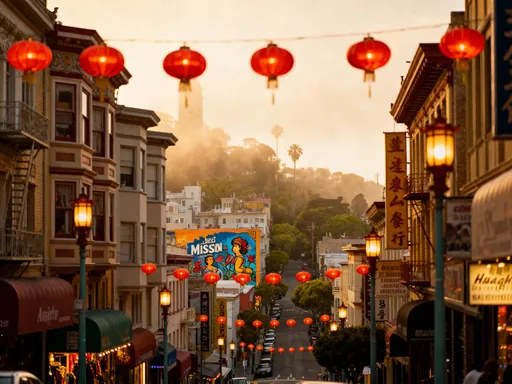
San Francisco’s Chinatown is one of the oldest and most enduring in North America, established in the 1850s during the Gold Rush era. Far more than a tourist attraction, it functions as a living, breathing community where tradition and modernity coexist. As you step beneath the Dragon Gate on Grant Avenue, the air shifts—filled with the aroma of steamed buns, incense, and herbal teas. The narrow streets, lined with colorful two- and three-story buildings, evoke the bustling markets of southern China, creating an immersive cultural environment unlike any other in the United States.
What makes Chinatown a true theme zone is its depth of authenticity. It’s not a performance for visitors; it’s a neighborhood where generations have lived, worked, and preserved their heritage. Stockton Street, less polished than Grant but far more local, is where residents shop for fresh produce, live seafood, and traditional medicines. Here, you’ll find family-run shops selling dried mushrooms, salted vegetables, and roasted meats hanging in shop windows. The energy is constant, the dialects diverse—Cantonese, Mandarin, Taishanese—and the sense of community palpable.
For travelers seeking connection, visiting during a festival like Chinese New Year offers an unforgettable sensory experience. The dragon dances, firecrackers, and elaborate parades transform the streets into a moving celebration of culture. But even on an ordinary Tuesday morning, Chinatown tells a powerful story. The temples, such as the Tin How Temple dedicated to the goddess of seafarers, offer quiet spaces for reflection. The architecture, with its curved roofs and intricate carvings, speaks to a deep respect for ancestral roots. This is not a place to rush through, but to wander, observe, and absorb.
Mission District: A Canvas of Culture and Color
If Chinatown is a tribute to heritage, the Mission District is a celebration of creative resilience and cultural fusion. Known for its strong Latin American presence, this neighborhood has become a living gallery where art, activism, and identity converge. The streets pulse with energy—music spills from open windows, taquerias serve fragrant al pastor tacos, and the scent of freshly baked pan dulce drifts from corner bakeries. But perhaps the most striking feature is the abundance of murals that transform blank walls into powerful visual narratives.
Balmy Alley, a narrow passageway just off Clarion Alley, is one of the most concentrated collections of murals in the city. Painted primarily by local Latino artists, the works depict themes of social justice, immigration, and cultural pride. Each piece tells a story—of struggle, hope, and community strength. Clarion Alley itself is equally vibrant, maintained by a nonprofit collective that rotates murals to reflect current issues. Walking through these alleys feels like flipping through a visual diary of the neighborhood’s soul.
The Mission’s identity has been shaped by waves of migration, from Central America to Mexico, and more recently, by the pressures of gentrification. Yet, the community remains fiercely protective of its cultural landmarks. Places like the Mission Cultural Center for Latino Arts provide space for artists, dancers, and musicians to share their work. On weekends, Dolores Park becomes a gathering place for families, dog walkers, and picnickers, offering panoramic views of the city skyline. For visitors, the district offers not just beauty, but a deeper understanding of how art can be a form of resistance and belonging.
Haight-Ashbury: Walking Through a 1960s Time Capsule
No neighborhood in San Francisco carries the weight of a decade quite like Haight-Ashbury. As the epicenter of the 1960s counterculture movement, it became synonymous with peace, music, and psychedelic exploration. Today, the spirit of that era lingers in the colorful Victorian homes, the vintage clothing stores, and the faint scent of patchouli that still drifts from some doorways. While the crowds of flower children have long dispersed, the neighborhood retains a bohemian charm that feels both nostalgic and alive.
Walking down Haight Street, you’ll pass record shops with bins of vinyl from The Grateful Dead, Jefferson Airplane, and Janis Joplin—artists who once lived and played in the area. Boutiques sell tie-dye shirts, peace sign jewelry, and retro sunglasses, while cafes advertise fair-trade coffee and vegan pastries. The architecture itself tells a story: ornate Queen Anne and Italianate homes, many painted in vibrant hues, stand as silent witnesses to decades of change. Some still bear the marks of that transformative summer of love in 1967, when tens of thousands of young people flooded the neighborhood in search of a new way of living.
For travelers interested in history and culture, visiting Haight-Ashbury is like stepping into a living museum. The Red Victorian, a historic bed and breakfast, once hosted spiritual gatherings and continues to reflect the area’s alternative ethos. Meanwhile, Amoeba Music, though now relocated, began here as a haven for music lovers. To experience the neighborhood at its most authentic, visit on a weekday morning when the tourist crowds are thinner. Sit on a bench in Buena Vista Park and imagine the sounds of guitar strumming and laughter that once filled these streets. It’s a place that invites reflection on how movements begin—and how their echoes can last for generations.
Fort Mason: Where Nature, Art, and Innovation Collide
Nestled along the northern waterfront, Fort Mason is a dynamic space where the past and future of San Francisco intersect. Once a military post, it has been reimagined as a cultural hub that blends green spaces, artistic expression, and forward-thinking initiatives. The transformation began in the 1970s when community activists fought to preserve the site from commercial development. Today, it stands as a testament to what can happen when public space is dedicated to creativity and connection.
The Fort Mason Center for Arts & Culture is the heart of the district, housing galleries, theaters, and nonprofit organizations. Exhibits often focus on environmental issues, social justice, and innovative design—topics that resonate deeply with the city’s progressive values. The FERRY Building Marketplace, just a short walk away, hosts a renowned farmers’ market on Tuesdays, Thursdays, and Saturdays, offering fresh produce, artisanal cheeses, and locally made goods. It’s a favorite among locals, especially families and food enthusiasts who appreciate sustainable, farm-to-table eating.
But Fort Mason is also a place of quiet beauty. The Great Meadow, a grassy expanse overlooking the bay, is perfect for picnics, yoga sessions, or simply watching the fog roll in from the Golden Gate. The Maritime Museum, housed in a striking Streamline Moderne building, showcases the city’s seafaring history. For those who enjoy walking, the adjacent waterfront trail connects to the Marina and Crissy Field, offering one of the most scenic routes in the city. Fort Mason proves that a theme zone doesn’t need rides or costumes—its identity is shaped by purpose, beauty, and community engagement.
The Presidio’s Hidden Gems: Forests, Forts, and Film History
Spanning nearly 1,500 acres at the southern edge of the Golden Gate Bridge, the Presidio is more than a national park—it’s a mosaic of ecosystems, histories, and creative spaces. Once a military fortification, it was transferred to the National Park Service in 1994 and has since been transformed into a sanctuary for nature, history, and innovation. What makes the Presidio a unique theme zone is its diversity: within a single visit, you can walk through redwood forests, explore abandoned barracks, and stand on the same ground where George Lucas built his filmmaking empire.
The park’s natural beauty is undeniable. Trails like the Ecology Trail wind through eucalyptus groves and coastal scrub, offering glimpses of hawks, foxes, and wildflowers. The Presidio Tunnel Tops, a recent addition, features landscaped gardens, play areas for children, and panoramic views of the bridge and bay. It’s a space designed for families, hikers, and anyone seeking a peaceful escape from urban life. Along the way, interpretive signs tell the story of the Ohlone people, the Spanish colonization, and the U.S. Army’s long presence in the area.
History buffs will appreciate the restored military buildings, some of which now serve as museums or event spaces. The Walt Disney Family Museum, located in the Presidio, offers an intimate look at the life and legacy of the legendary animator. Meanwhile, the Letterman Digital Arts Center, home to Lucasfilm and Industrial Light & Magic, stands as a modern contrast to the historic surroundings. Though not open to the public for tours, its presence adds a layer of cinematic magic to the area. Whether you’re drawn to nature, history, or film, the Presidio offers a rich, multidimensional experience that unfolds at your own pace.
Practical Tips for Exploring These Theme Zones
Exploring San Francisco’s theme zones is easiest when approached with a bit of planning and flexibility. The city’s public transit system, Muni, includes buses, light rail, and the historic F-line streetcar, which runs along Market Street and into the waterfront areas. For neighborhoods like Chinatown and the Mission, the 30-Stockton and 14-Mission buses are reliable options. BART, the Bay Area Rapid Transit system, connects to key hubs like Embarcadero and Powell Street, from which many destinations are within walking distance.
Biking is another excellent way to experience the city, especially along the flat waterfront routes from Fort Mason to the Presidio. Bay Wheels, the city’s bike-share program, has docking stations throughout downtown and major neighborhoods. For those who prefer to walk, comfortable shoes are essential—the city’s hills are no myth, and even short distances can involve steep climbs. When mapping your route, consider grouping nearby zones: Chinatown and North Beach can be explored together, as can the Mission and Dolores Park. The Presidio and Fort Mason are close enough to combine in a single afternoon.
Weather is another factor to keep in mind. San Francisco’s microclimates mean conditions can vary drastically from one neighborhood to the next. Fog is common, especially near the water, so packing layers—a light jacket, a scarf, and a sweater—is always wise. Mornings are often clearer, making them ideal for photography and outdoor activities. If you’re visiting during summer, don’t be surprised by chilly evenings; the city’s reputation for cool summers is well earned.
When engaging with local communities, a respectful attitude goes a long way. In neighborhoods like Chinatown and the Mission, supporting small, family-owned businesses enhances your experience and contributes to the local economy. Ask before taking photos of people, and be mindful of residential areas when exploring side streets. Most importantly, allow time to simply be present—sit in a park, chat with a shopkeeper, or enjoy a meal without rushing to the next stop. These moments often become the most memorable parts of a trip.
Conclusion: Rediscovering Cities Through Themed Neighborhoods
San Francisco’s hidden theme zones offer more than just scenic walks or photo opportunities—they invite travelers to connect with the soul of a city. Each neighborhood tells a story shaped by history, culture, and community, revealing layers that guidebooks often overlook. For women who travel to enrich their lives and broaden their perspectives, these spaces provide a meaningful alternative to crowded attractions. They remind us that the heart of any great city beats in its neighborhoods, not just its landmarks.
By exploring these micro-cultures, we not only deepen our understanding of a place but also rediscover the joy of slow, intentional travel. We learn to appreciate the quiet moments—the smell of fresh bread in a Mission bakery, the sound of wind through redwoods in the Presidio, the sight of a hand-painted mural that speaks of resilience. These experiences stay with us long after the trip ends, shaping how we see the world and our place in it.
And the lesson extends beyond San Francisco. Every city has its hidden corners, its uncelebrated streets where culture thrives away from the spotlight. The next time you travel, consider stepping off the main path. Seek out the neighborhoods that locals love, the parks that host weekend drum circles, the markets where grandmothers bargain for vegetables. Travel with curiosity, with respect, and with an open heart. Because the most unforgettable journeys aren’t measured in miles, but in moments of genuine connection.